Navy, charcoal, gray and black are the only colors in the lineup, whether that means a black tailored suit over a white blouse or a blue button-down tucked into a plain black skirt.
The choice comes down to fit, because the right outfit is the one you can sit in comfortably, with sleeves ending near your wrist and a skirt that stays put at the knee or just above it.
Conservative workplaces like banks reward fit over novelty, so taking a size-off blazer or trouser to a tailor usually beats buying something new.
1. Polished Shoes
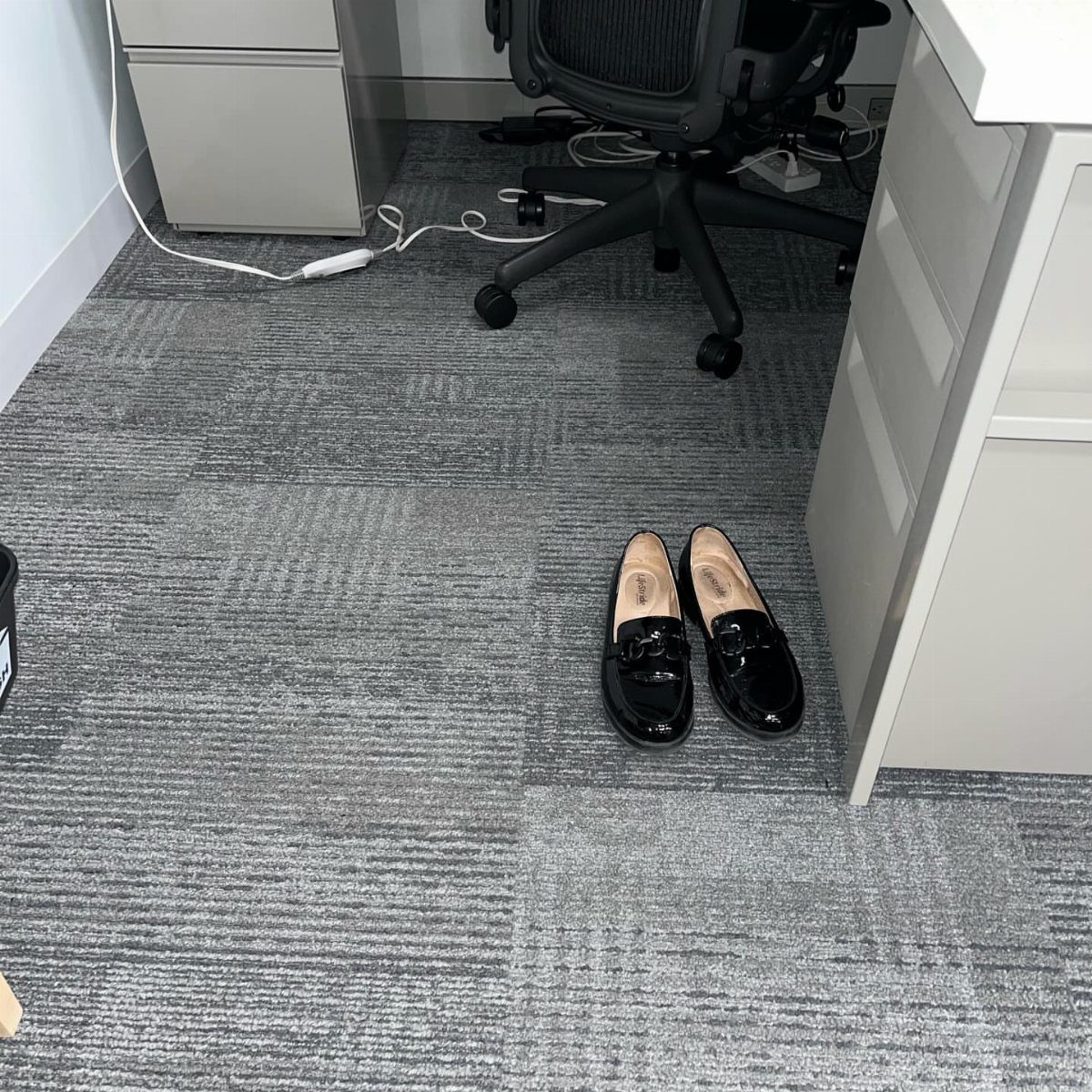
Black patent loafers settle the shoe question for a bank interview, because they read clean and professional without any fuss.
Patent leather shows scuffs and dust fast, so wipe them down before you leave the house and again in the car.
A closed toe and a low, comfortable sole matter more than height, since you may walk through a branch and wait in a lobby.
I would pick loafers over anything with hardware or a strap that draws the eye away from your face.
2. Tailored Suit
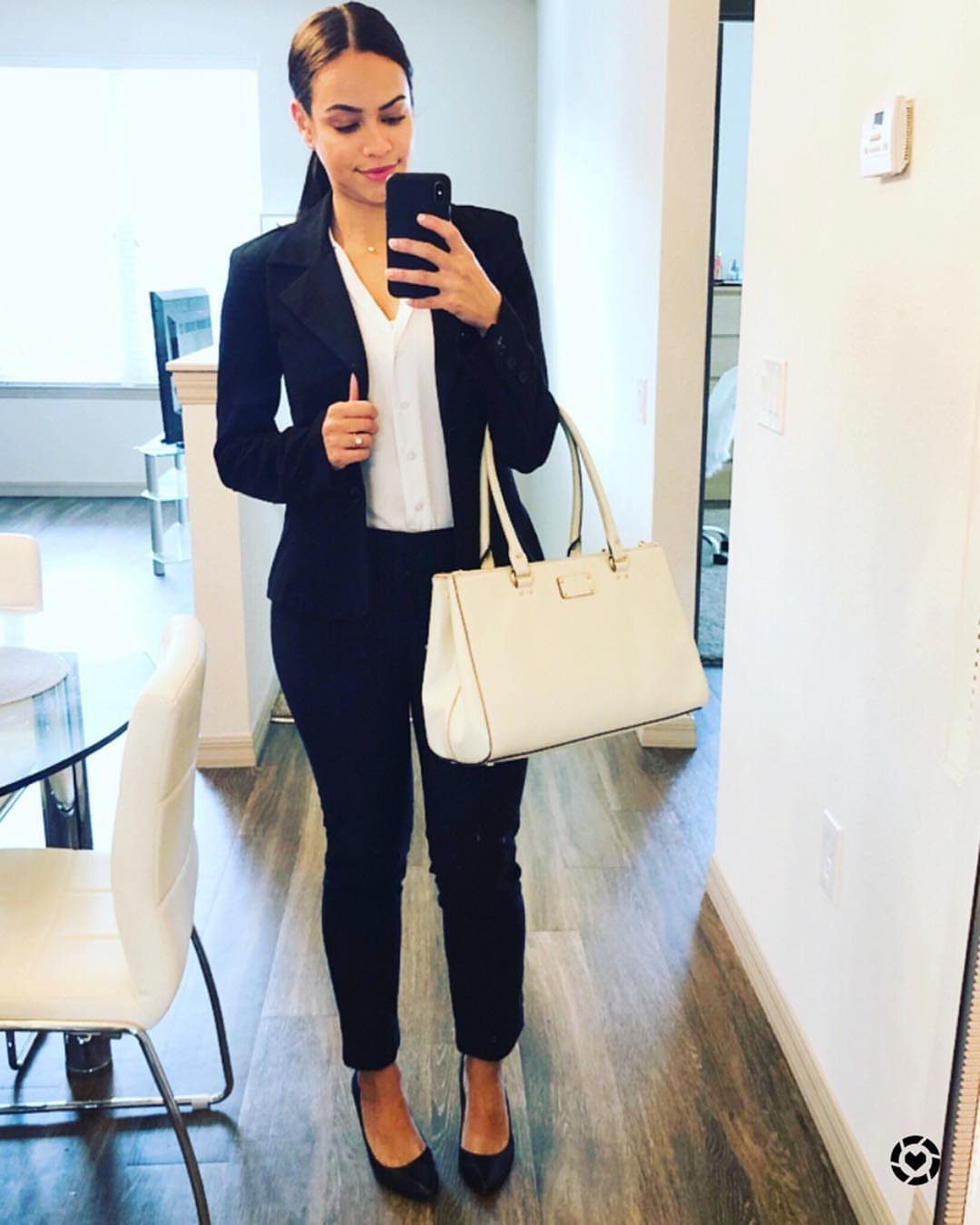
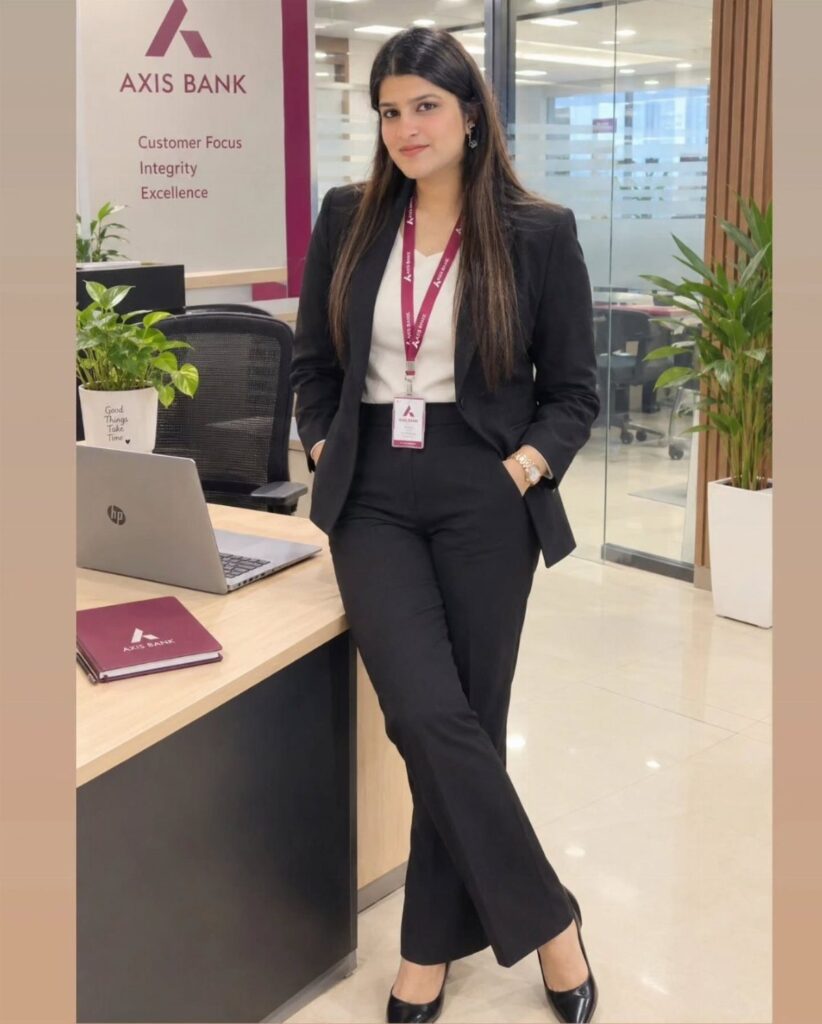
A black tailored suit with a white blouse and black heels is the most direct way to look professional in a bank.
Tailored is the word that matters: the jacket should sit cleanly on the shoulders, and the sleeves should end near your wrist.
If the suit is a size off, a visit to a tailor will do more for you than a new suit.
A white handbag keeps a tailored suit looking light, though a structured bag in black, navy or deep brown is the safer pick for a bank interview because it draws no attention away from you.
3. Structured Bag
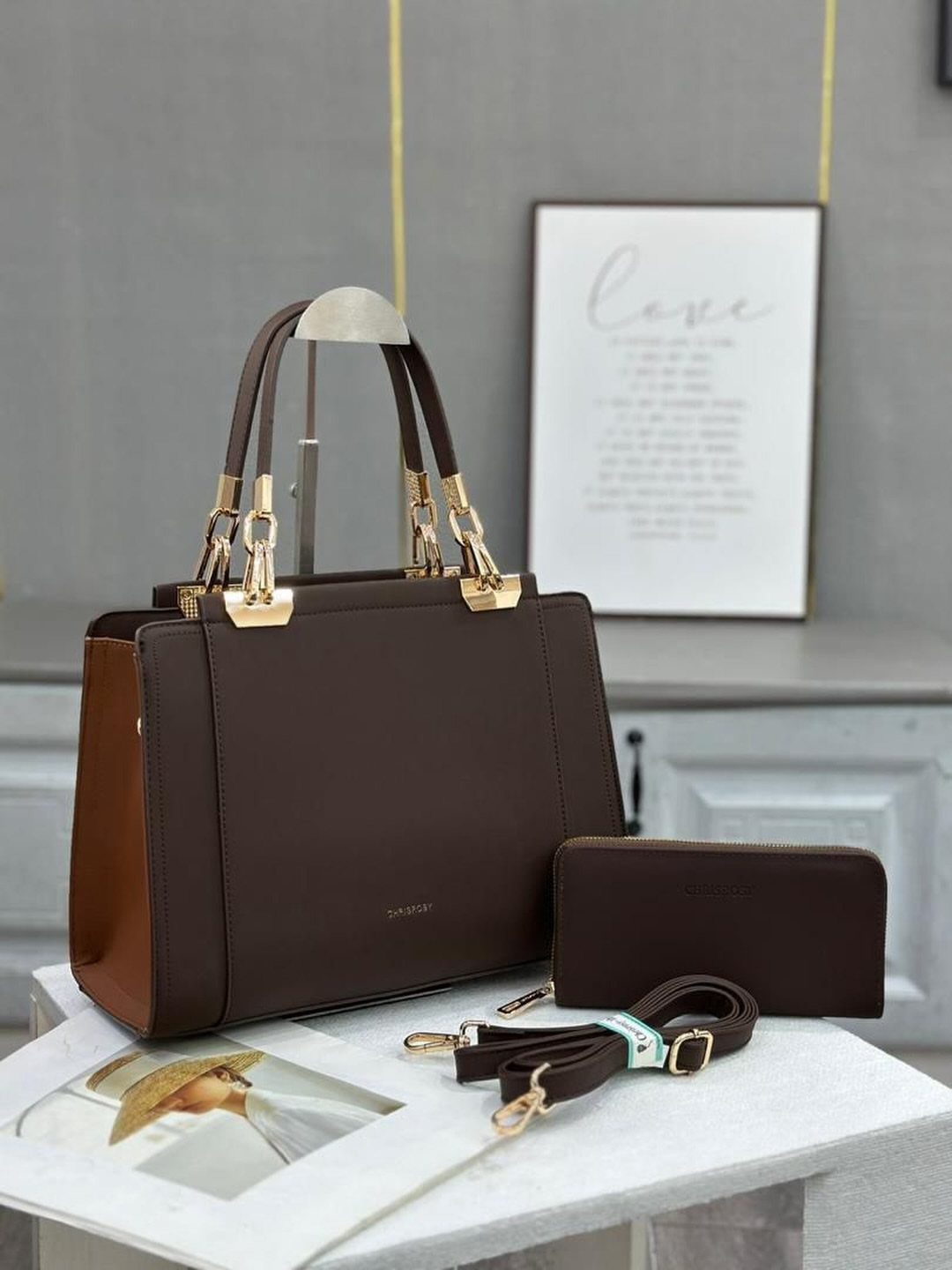
Hardware in gold on a dark brown bag adds a quiet finish, and a structured shape keeps it looking pulled together even when it sits on your lap.
Pick leather that holds its form and a size that fits a folder and a phone.
A matching wallet tucks inside without bulk.
I like a shoulder strap here because it frees your hand for a handshake. Skip anything slouchy or overloaded, since a bag that sags undoes a sharp outfit.
4. White Blouse and Pencil Skirt
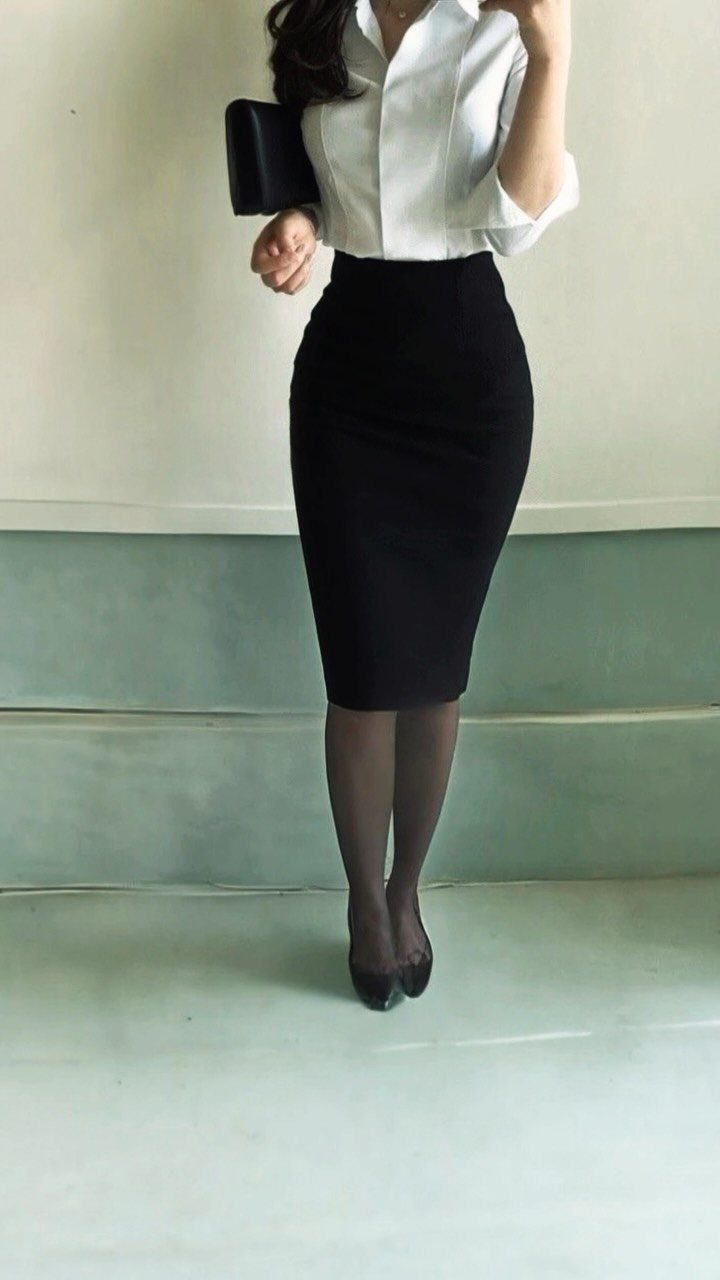
Tucked into a black pencil skirt, a crisp white button-down gives you a clean, defined waistline that suits most body shapes. Press the blouse the night before, because wrinkles across the front are the first thing people notice.
Black tights and pointed-toe heels keep the look polished and cover the legs for a conservative feel.
Choose a skirt that lets you sit comfortably; if it rides up when you do, try a size up. A black clutch finishes it neatly.
5. Button-down Blouse and Black Trousers
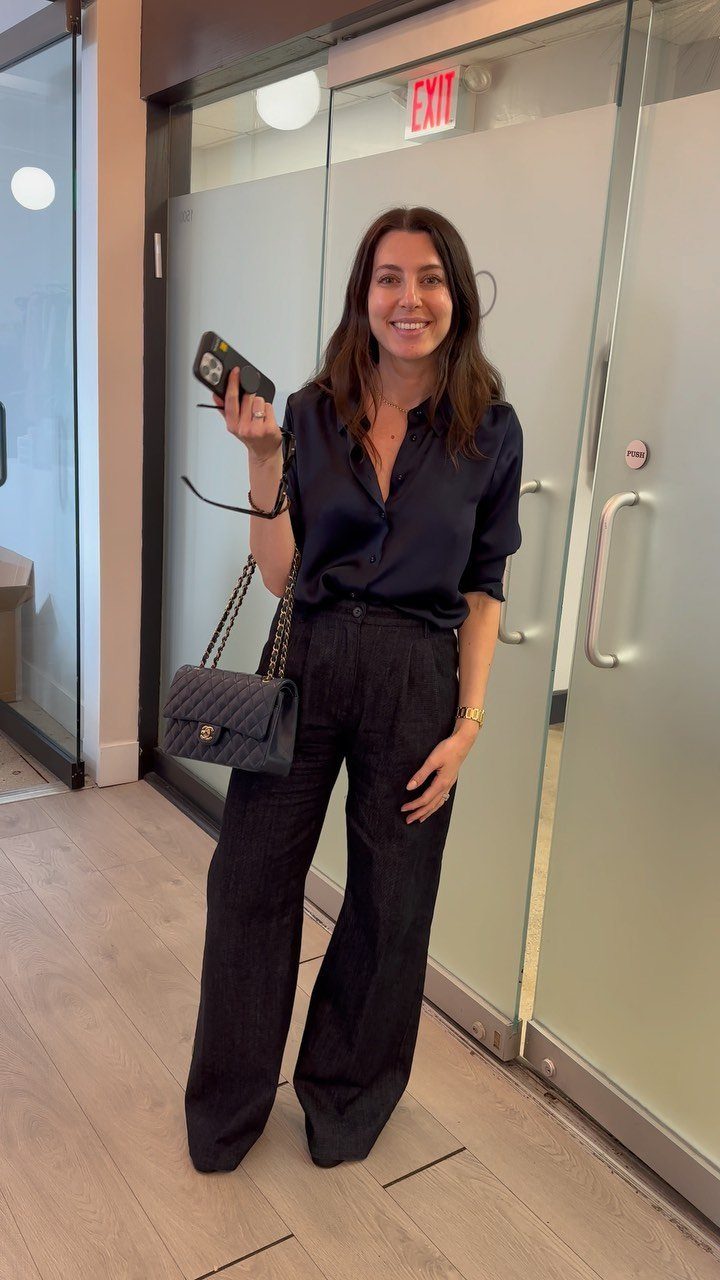
Dark navy softens the usual white-shirt formula while staying serious. Pair a navy button-down with high-waisted black wide-leg trousers, and the high rise lets you tuck the shirt in for a long, clean line.
Wide legs work best when the hem just skims the top of your shoes, so hem them while wearing the heels or flats you plan to wear.
Navy beside black can look mismatched in weak light, so check the pairing by a window first.
6. Blue Button-down Shirt and Skirt
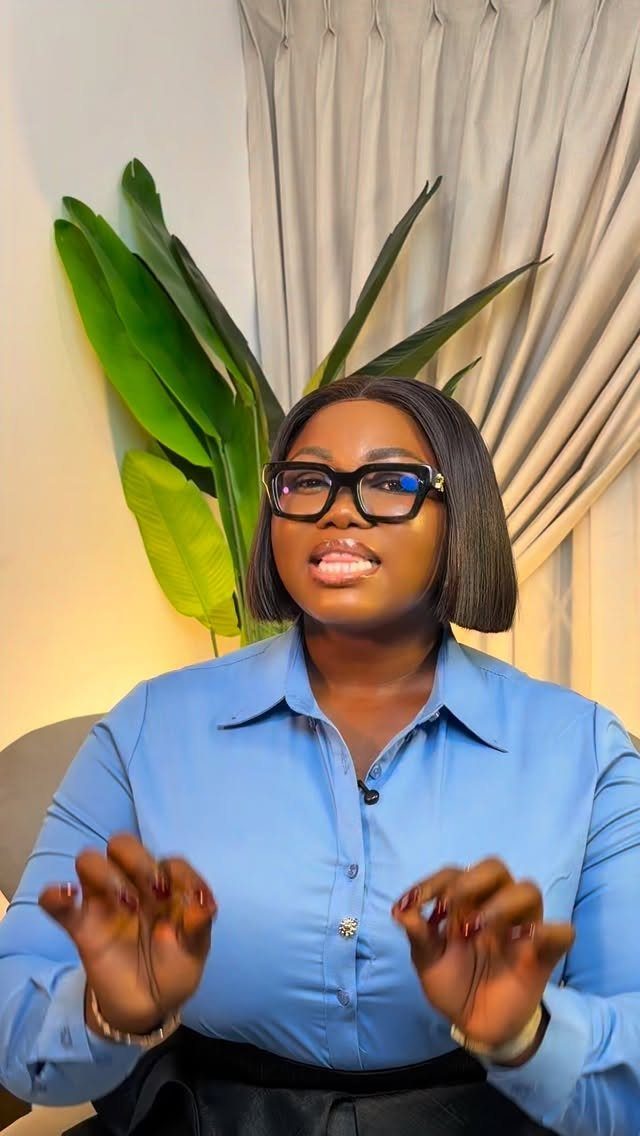
A classic blue button-down with a professional black skirt is an easy outfit to trust when you want something less stark than white. Blue is friendly and calm, which suits a conversation about numbers and trust.
Tuck the shirt in, or leave it out only if the hem stays tidy.
Keep the skirt a conservative length that works when you sit. Glasses, if you wear them, fit right in; just clean the lenses before you walk in.
Importance of First Impressions
Interviewers start forming an opinion in the first few seconds, and at that point all they have is how you look. That may not be fair, but a well-chosen outfit tells them you take the opportunity seriously.
Banks lean conservative, so I’d build the outfit around navy, charcoal, gray or black and leave the bolder shades for after you’re hired.
A bank interview is no place to stand out for what you wear; you want to look professional and respectable.
Virtual Interview Attire
For a video interview, wear the full outfit, shoes included. Standing up mid-call happens more than you’d expect, and a blazer over pajama pants is obvious the second you leave your chair, so dress fully from top to bottom.
A solid top works best on camera, because stripes, small checks and busy prints can shimmer or blur and pull attention from your face.
The camera mostly sees your upper body, so fit matters most there, and a blazer or tailored shirt adds polish even at home.
Do a practice run on your webcam the day before, wearing the exact outfit. Light changes how fabric and color read on screen, so check your setup ahead of time and move a lamp or window until you look natural.
Pull your hair back from your face, and keep makeup soft and natural so you look rested rather than done up.
Common Attire Mistakes
Some items are off the table whatever the weather or the bank’s everyday dress code: jeans, trainers and open-toe shoes.
Skip bold patterns, flashy accessories, bright nail polish and heavy makeup.
Fit can sink an expensive outfit. Loose sleeves, hems that pool over your shoes and skirts that creep up when you sit all look sloppy, but a tailor can fix each one for a small fee.
A skirt that hits at the knee, or just above it, is the safest length.
Check the small things too.
Chipped polish and unkempt hair undercut a good outfit. Keep fragrance light, or skip it, since interview rooms are close quarters.
Frequently Asked Questions
What should you wear for a bank interview?
A tailored suit in a dark, conservative color with a crisp white blouse and polished closed-toe shoes is the safest choice.
A jacket that sits flat across the shoulders, with sleeves that stop near the wrist bone, will do more for you than any brand name or fabric upgrade.
How does a female banker dress?
Conservative and polished: clean lines, quality fabrics and subdued colors in navy, charcoal, gray or black.
A tailored suit, or a button-down with a pencil skirt or trousers, is the standard. Structured bags and closed-toe shoes finish the look, and nothing flashy pulls attention from the person wearing it.