The first 9 pairs, from glossy black leather sneakers on a thick sole to iridescent metallic pink, differ in upkeep as much as color: suede and patent both mark easily, while white leather wipes clean in a minute.
Your own skin undertone and the shades already in your closet decide which one is yours.
1. Black Shoes

A black leather sneaker with a thick sole does the work of a dress shoe without the formality. Glossy leather like this reads sharper than canvas, so it holds up next to tailored trousers as easily as jeans.
I would pick black when the rest of the closet is a mix of colors and I want one pair that never argues with any of them. The thick sole adds some presence to slim silhouettes.
Expect to wipe it down often, since a glossy finish shows scuffs and dust.
2. Brown Shoes
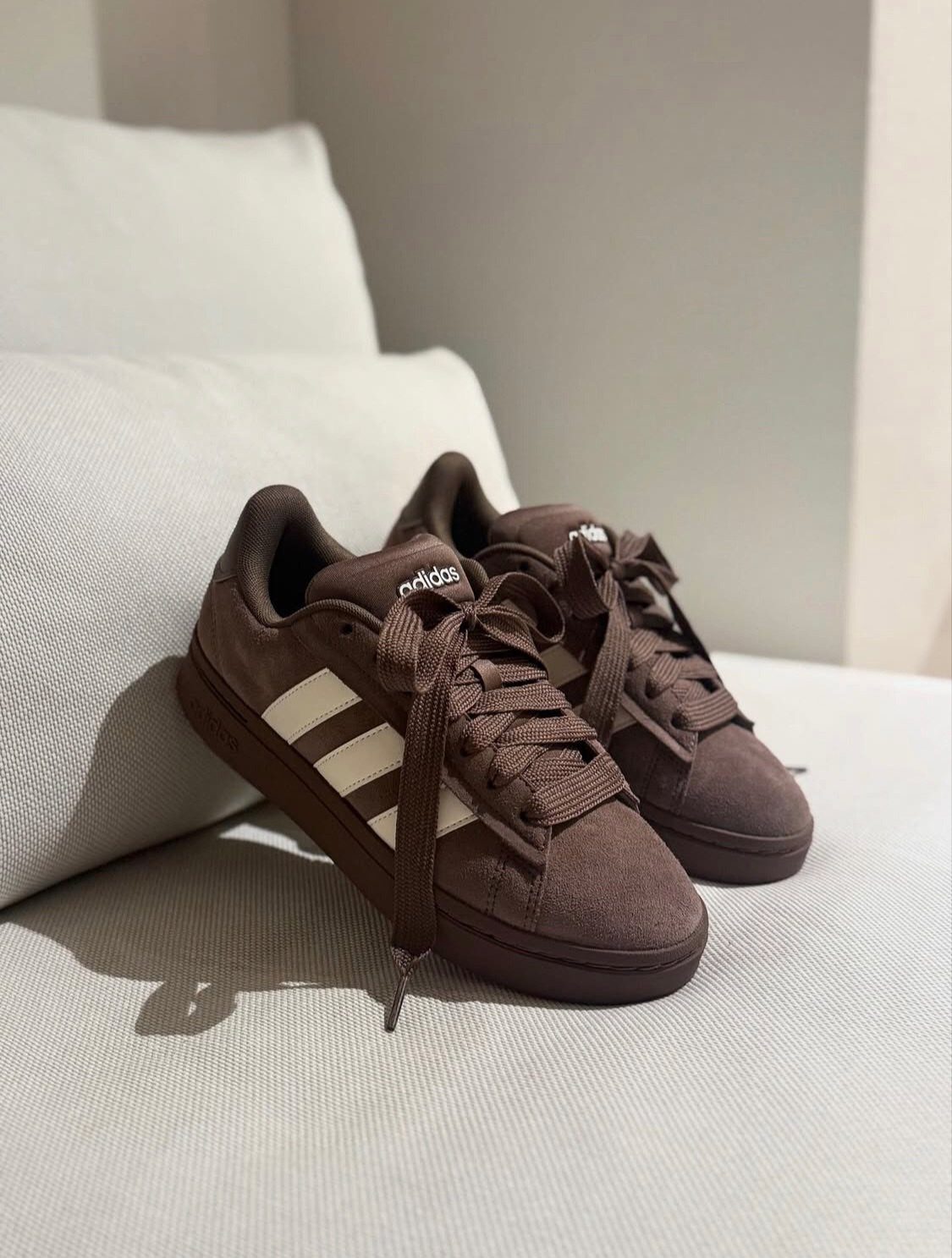
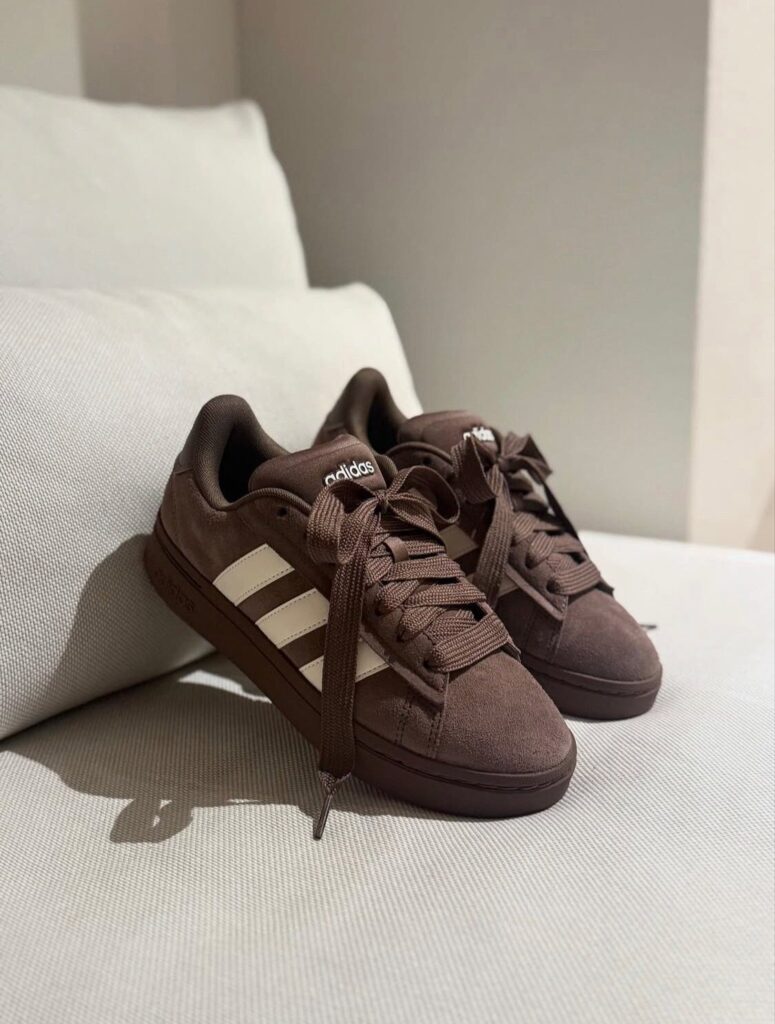
Brown suede in a sneaker, especially with white stripes and brown laces, reads softer and warmer than black, and it works with denim, olive and cream without effort.
Because the stripes break up the color, the pair looks casual and a little retro rather than serious.
Denim in any wash is the easy match, and cream or white knits keep the whole outfit in one warm family. I like brown when black feels too heavy.
Suede marks easily, so a pair like this suits dry days better than wet ones.
3. Red Shoes
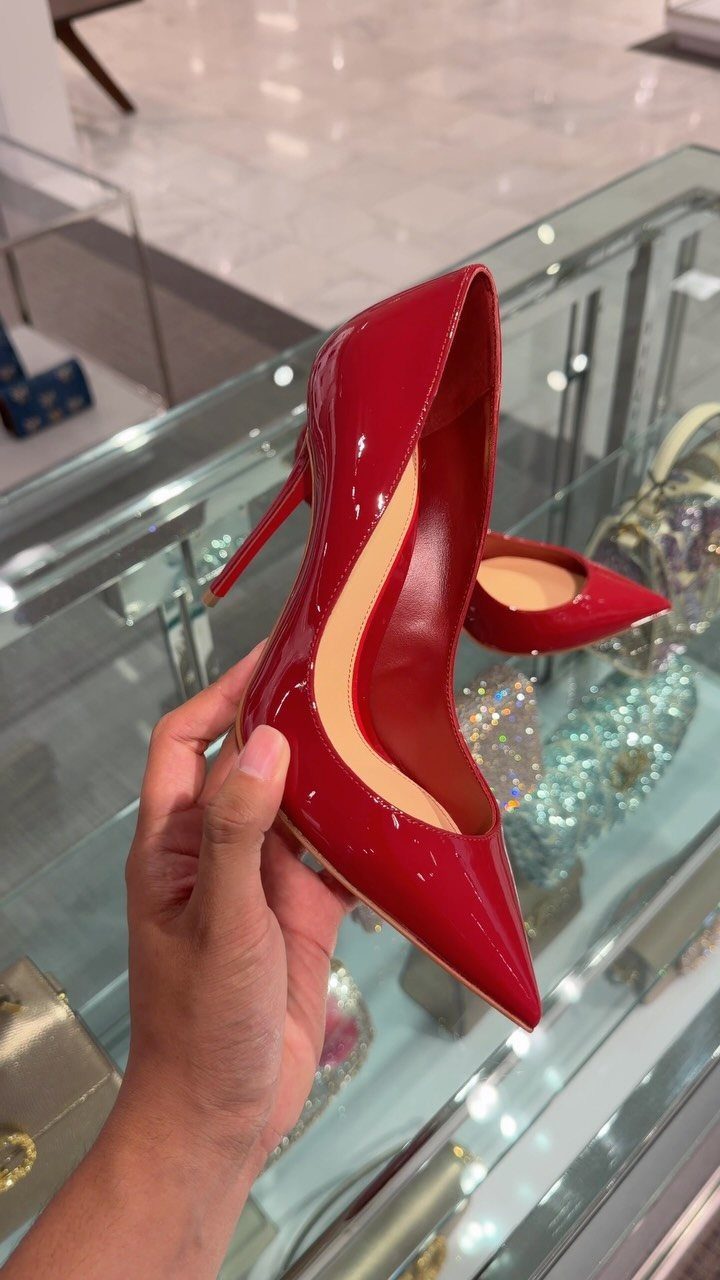
Keep everything else quiet: black, navy or denim, with no competing bright color.
I would choose red for the shoe you wear a few times a month, not daily. It works best as the single loud piece, so skip red bags and lipstick in the same look.
Patent leather shows fingerprints, so a soft cloth in the closet helps.
4. Beige Shoes
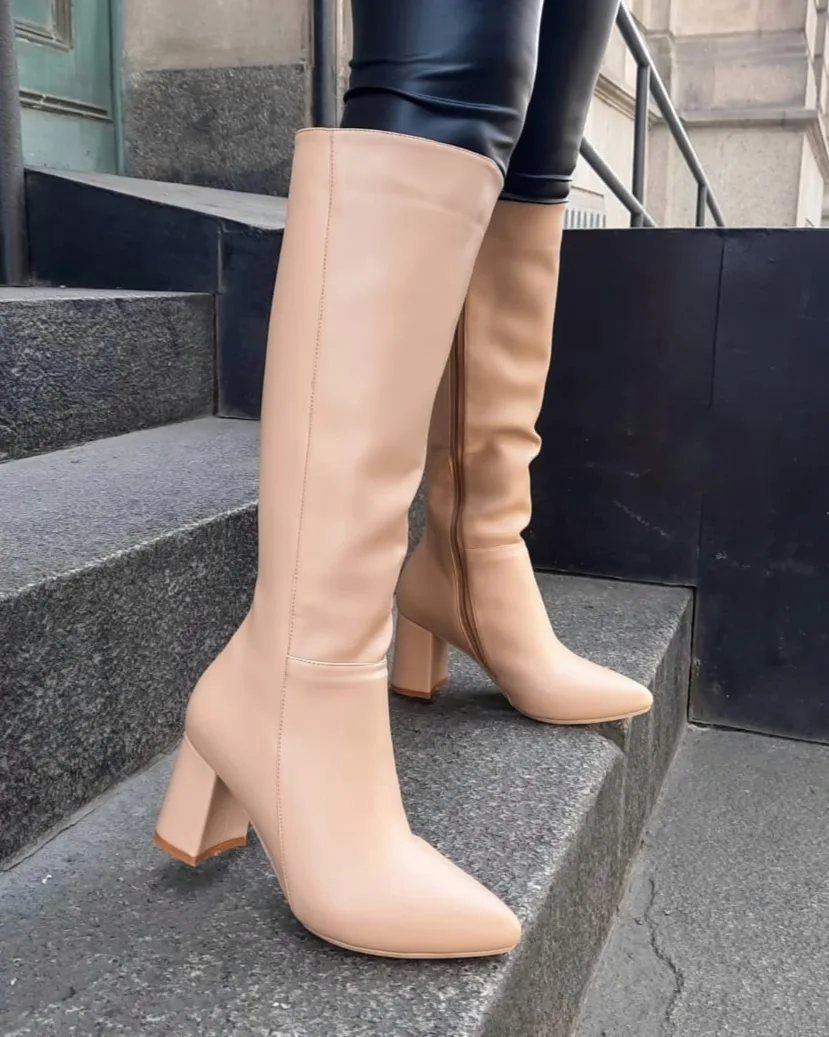
Beige knee-high boots with a block heel melt into skin tones, which stretches the line of the leg from ankle to knee.
Match the beige to your skin as closely as you can for the longest-looking leg. A block heel keeps the boot walkable, and I favor it over a stiletto for that reason.
Beige also pairs well with cream, camel and gray.
5. White Shoes

White leather low-top sneakers are the easiest shoe to build a whole wardrobe around. They brighten dark denim, soften a black dress and make a plain tee look finished.
Choose smooth leather over canvas if you want something you can wipe clean in a minute. White does show dirt fast, which is the real cost, so keep a damp cloth handy.
I would buy one clean pair before any colored sneaker.
6. Metallic Shoes

Iridescent metallic pink sneakers turn plain dark jeans into an outfit with a focal point. The shimmer shifts with the light, so it reads as more than just pink.
Keep the rest neutral: dark denim, a brown leather bag and a muted scarf let the shoes lead. I like a small playful charm on the bag to echo the color.
Metallic finishes can scratch, so this is a pair for weekends more than a commute.
7. Gray Shoes
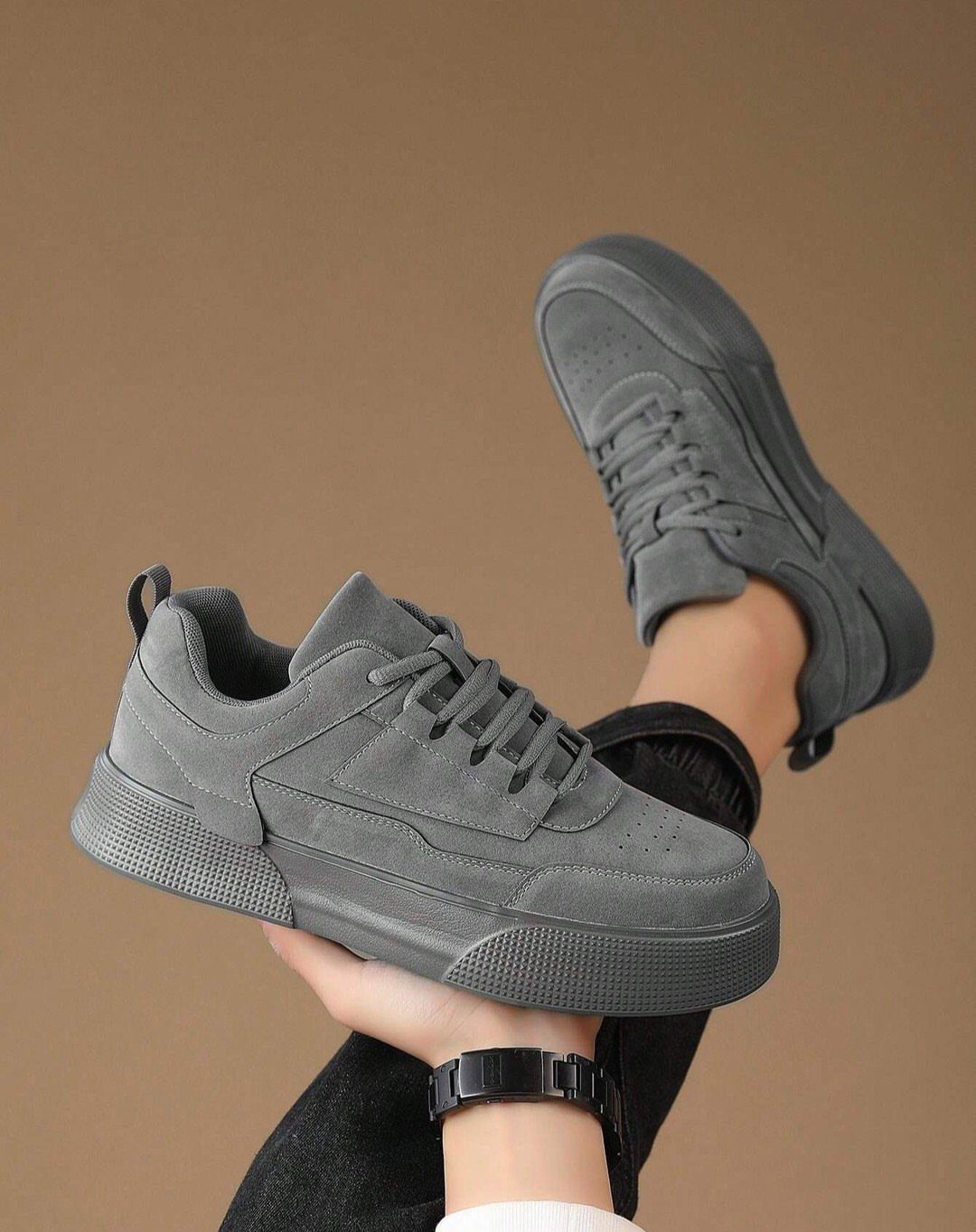
Gray suede sneakers sit between black and white, soft enough for casual days and quiet enough to go with almost anything.
Black pants keep gray shoes tonal and sleek, and a slightly lighter or darker pair of shoes than the pants adds depth without breaking the line.
I like gray when black feels harsh and white feels like too much upkeep. Denim, navy and cream all sit well beside it.
Suede marks and darkens with moisture, so save this pair for dry weather.
8. Navy Shoes
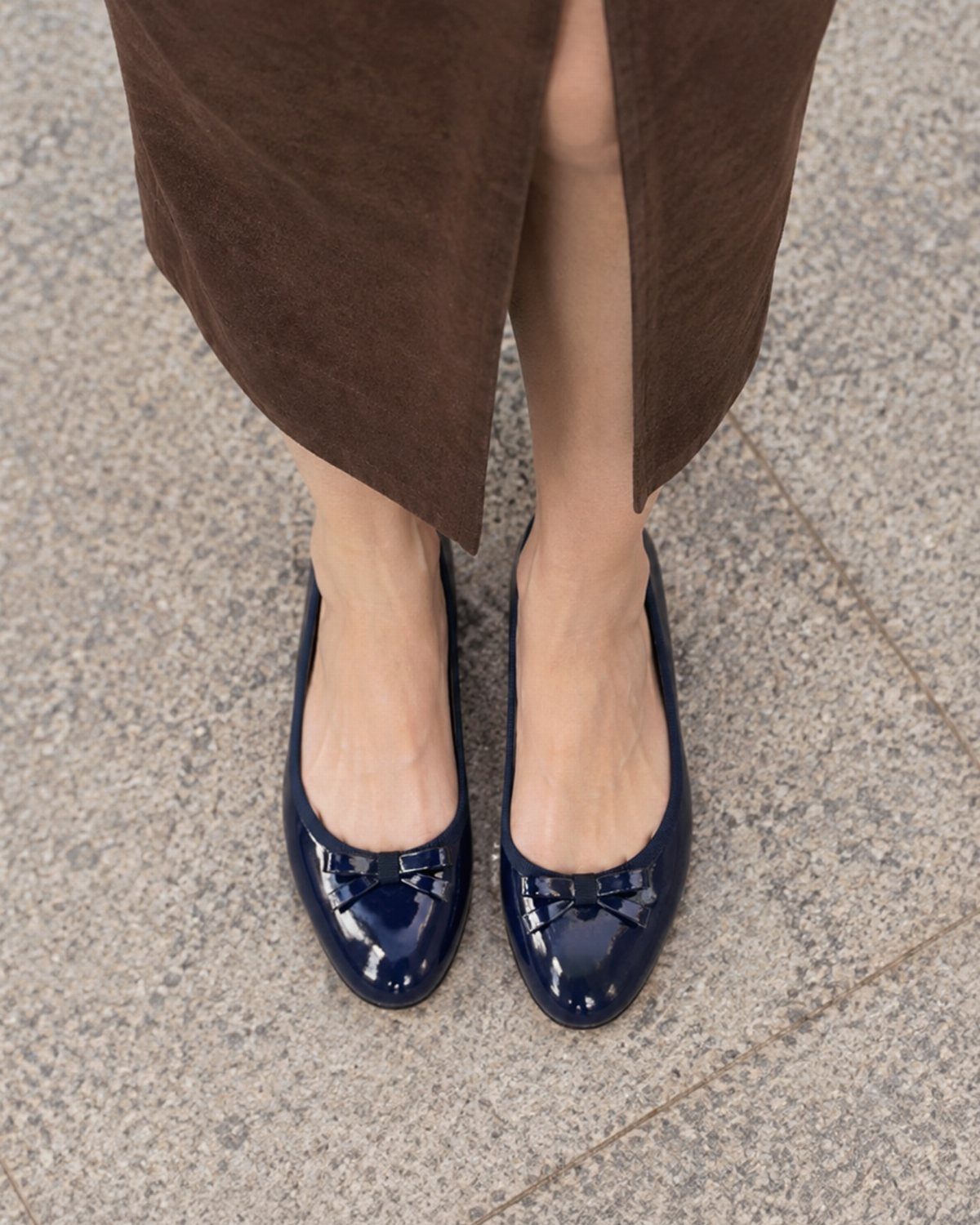
Navy patent leather flats with a bow work as a dressed-up cousin of black, and they go especially well with cream, white, and camel.
A brown skirt is an easy partner, since navy and brown sit close enough to look planned.
Patent gives the flat a polished surface that suits office days and dinners. I would wear them with cream, camel or gray to keep the palette calm.
9. Burgundy Shoes
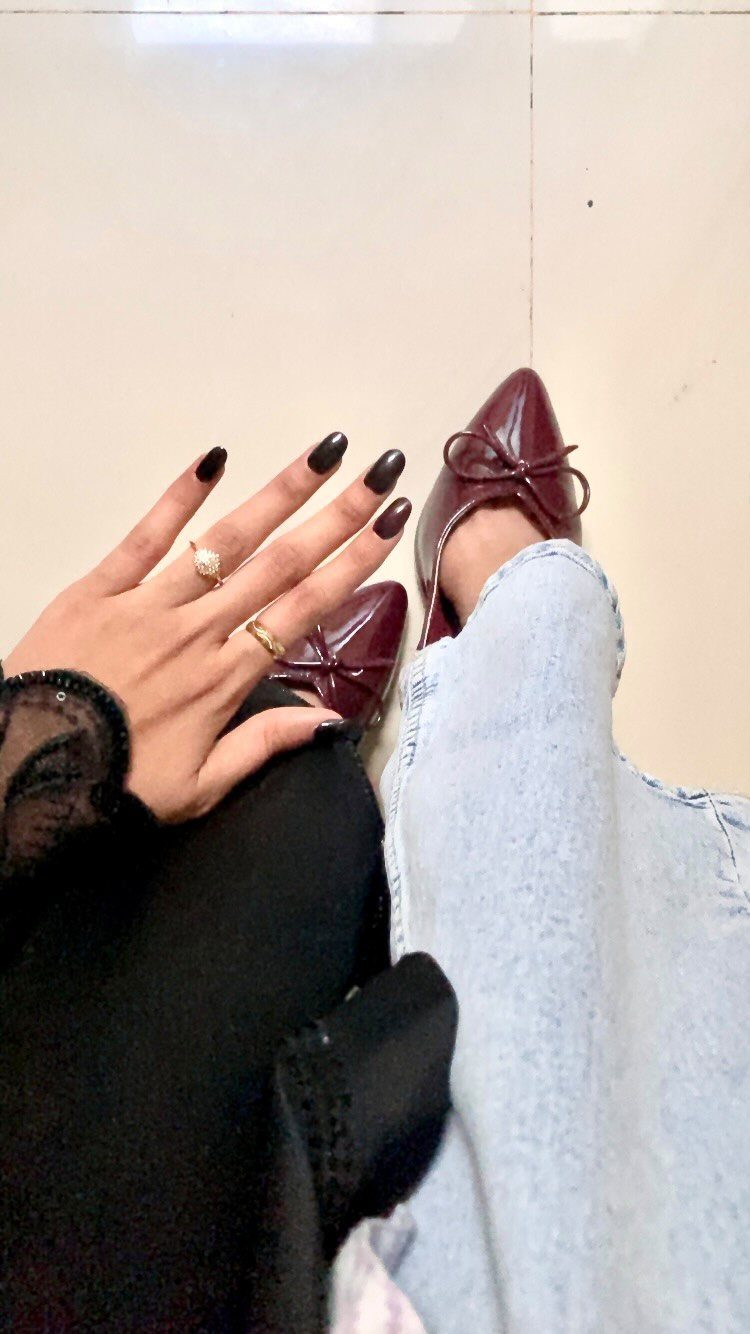
Burgundy flats bring more depth than a plain neutral can, and light blue jeans are the simplest way to wear them. The dark red-purple tone looks richer against a faded wash than black would.
A pointed toe lengthens the foot, and the flat sole keeps the pair easy to walk in. I would choose burgundy over bright red when I want color I can wear weekly.
Gray, cream and navy tops all work above them.
Even as other color trends have recently surfaced, burgundy has remained relevant for two reasons: versatility and wearability. Not only can you now find almost every type of shoe in this shade, but it can be styled effortlessly with everything in your closet.
Choosing Based on Skin Tone
Undertone matters more than depth of skin color.
Warm undertones look best in tan or gold, and cool undertones suit soft gray, taupe or silver. A shoe close to your own tone blends into the leg, so the outfit looks finished and the line stays unbroken.
Your closet counts too.
If your clothes are mostly neutral, a bold shoe gives contrast. If they’re already colorful, black, white or taupe shoes balance things out.
Think about where the pair will actually go. For daily wear, I reach for neutral shoes first, and I save the brights for evenings when the outfit can carry the extra color.
Comfort has to hold up as well. A color you love is wasted on a pair you avoid wearing.
Building a Versatile Wardrobe
A neutral base makes outfit mixing easy. A core of black, white, beige, gray and navy shoes covers nearly every outfit, from weekend jeans to a tailored skirt or dress.
If you’re building from scratch, start with black, white and one neutral tone. Those three do the most work, and they stay stylish through every season.
Add color only after those pairs are in place. Neutrals carry the daily rotation, so any bold pair becomes an accent instead of a problem to style around.
Material Considerations
Material changes how versatile a color is. Finish changes how a color looks: smooth leather, suede and matte surfaces come across as polished, while textured or embellished pairs in the same shade read busier.
For the office and dressier events, smooth leather is my pick because it holds a clean, polished line. Choose suede when you want a softer touch for casual outfits.
Quality material also lasts longer and keeps a sophisticated look, so I would spend more on the neutral pairs you’ll wear most.
A versatile color should work from brunch to business and still look relevant years from now. Choose shades that fit your own style, not whatever is moving fast this season.
Frequently Asked Questions
What is the 3 shoe rule?
No formal rule exists, but a starter set of 3 pairs works well: black, white and one other neutral such as beige, gray or navy.
Bold colors come after, so they act as accents instead of something you have to build outfits around.
What color shoes are in style in 2026?
I wouldn’t chase a single trend color. Neutrals like black, white, beige, gray and navy stay relevant year after year, and a versatile shade should still look right years from now.
If you want something brighter, shades like burgundy, red or metallic pink work as accents for weekends or evenings, not as everyday pairs.
What is the 3 color rule?
No formal 3 color rule exists, but a practical guide is to let the shoe be the only loud piece in the outfit and keep everything else quiet.
With red shoes, for example, I’d keep the rest of the outfit to black, navy or denim and skip red bags and lipstick.
A shoe close to your own skin tone, or one in a neutral that matches the outfit, keeps the overall look calm and finished.