How often and where the dress will be worn decides which of these is yours: a shirt dress or a drop-waist can cover the office and a weekend lunch with only a change of shoes, while a fringe dress is strictly for evenings.
The range runs from everyday shirt dresses and drop-waists to fringe, slips, crochet and a draped formal gown, and fabric separates them as much as shape does.
Slip dresses and crochet each need extra care, from steaming the fabric to folding instead of hanging.
1. Drop-Waist Dress
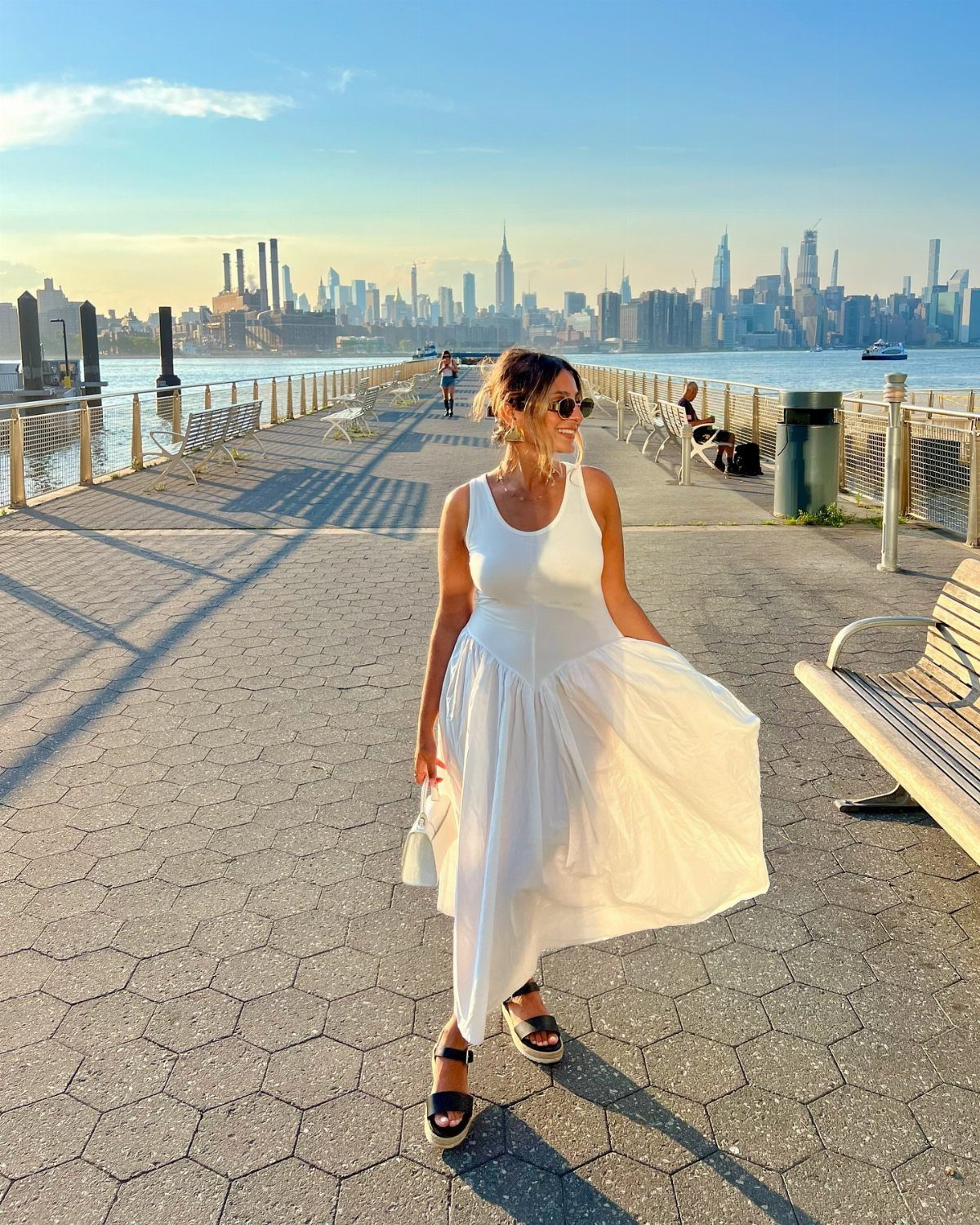
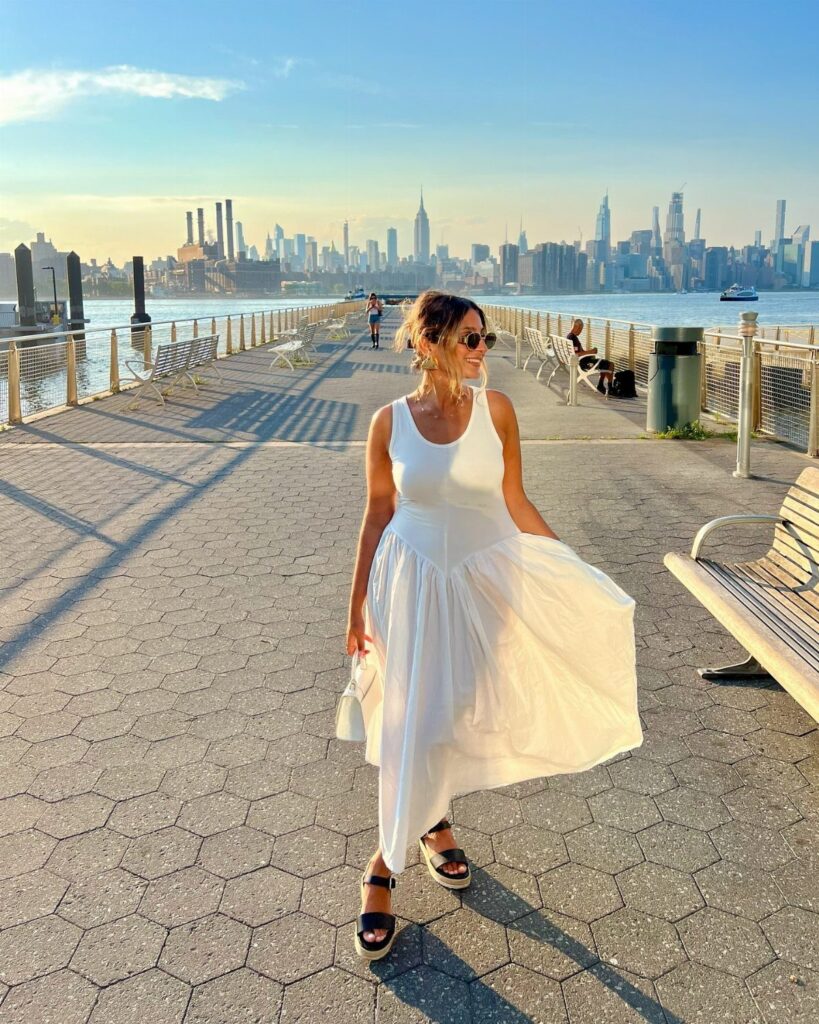
A waistline sitting at the hip, not the natural waist, is what defines this dress, and it gives a loose, easy line that doesn’t cling at the midsection.
That makes it a comfortable everyday pick for anyone who wants a dress that skips a belt and a fuss.
White reads fresh, and flat sandals keep it casual. I’d choose a fabric with some weight, since a thin one can cling and ruin the clean drop.
Pick a length that ends at or near the knee to keep the 1920s shape looking modern.
2. Shirt Dresses
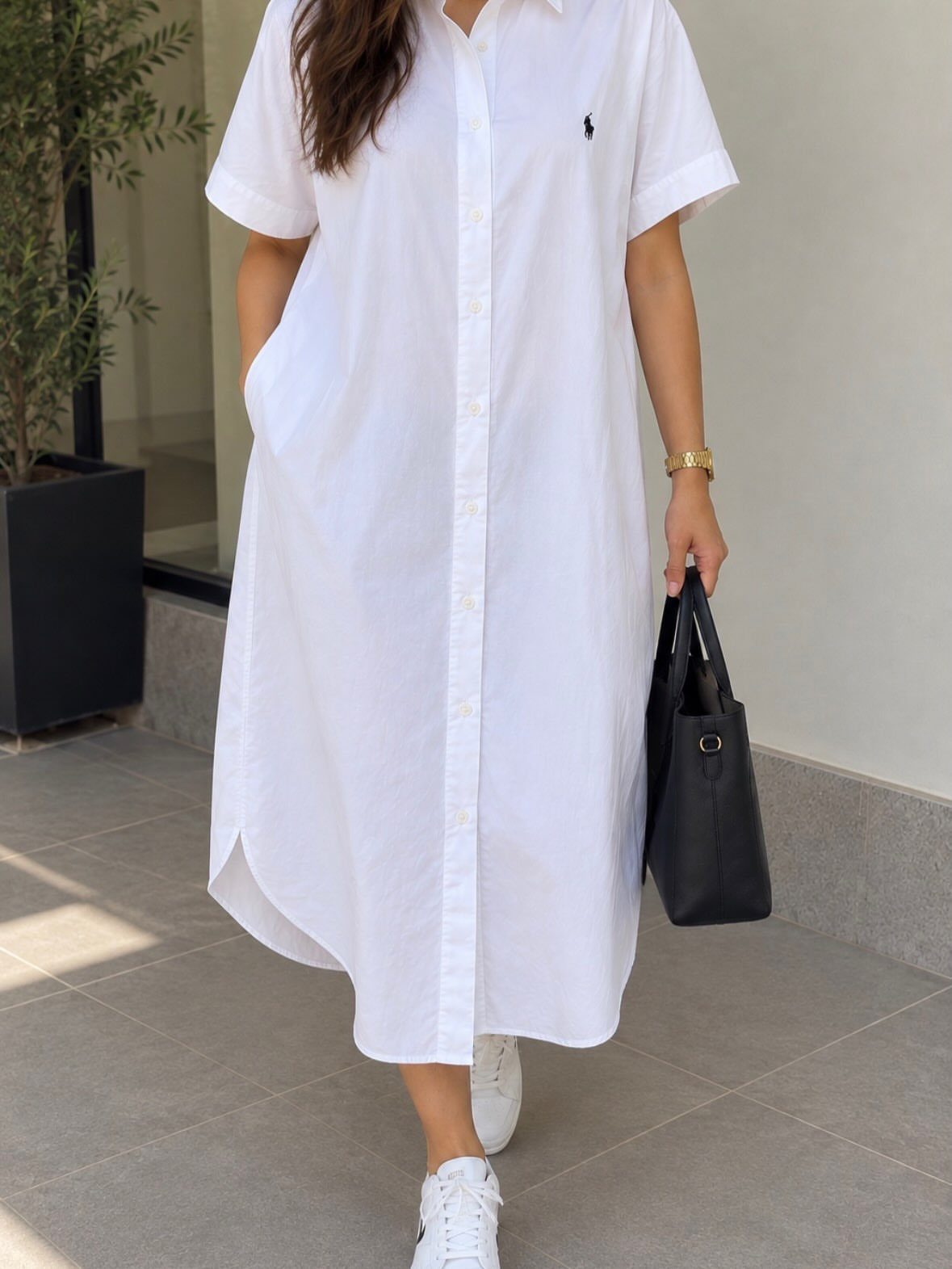
Buttons down the front, a collar and a short sleeve: a shirt dress does the work of an outfit in one piece.
In white with sneakers, it’s easy enough for weekends, and a black handbag plus a watch brings it closer to office-ready.
Swap the sneakers for loafers or low heels and it moves to work without changing the dress. I like that a single shirt dress can handle both the office and the weekend, which suits a smaller, better wardrobe.
Add a belt if you want a defined waist.
3. Fringe Dresses
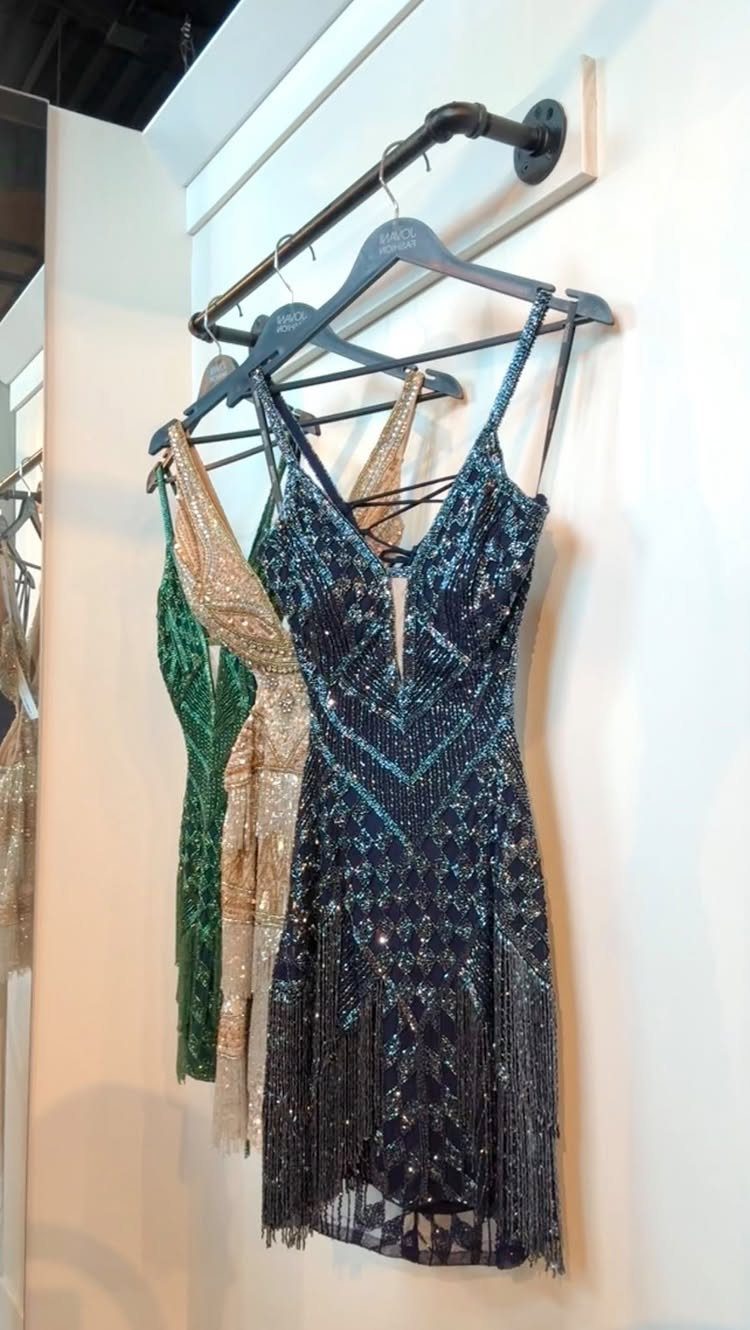
Sequins with a fringe hem move with every step, so the dress does the styling for you. Navy, green and gold all work, but I’d lean toward the darker navy: it feels dressy without shouting.
Keep everything else quiet. Simple heels, small earrings and a plain clutch let the hem do the talking.
Fringe wears out faster than most fabrics, and this is an evening dress, not a Tuesday one, so pick a color you’ll want to repeat.
4. Voluminous Dresses with Oversized Skirts
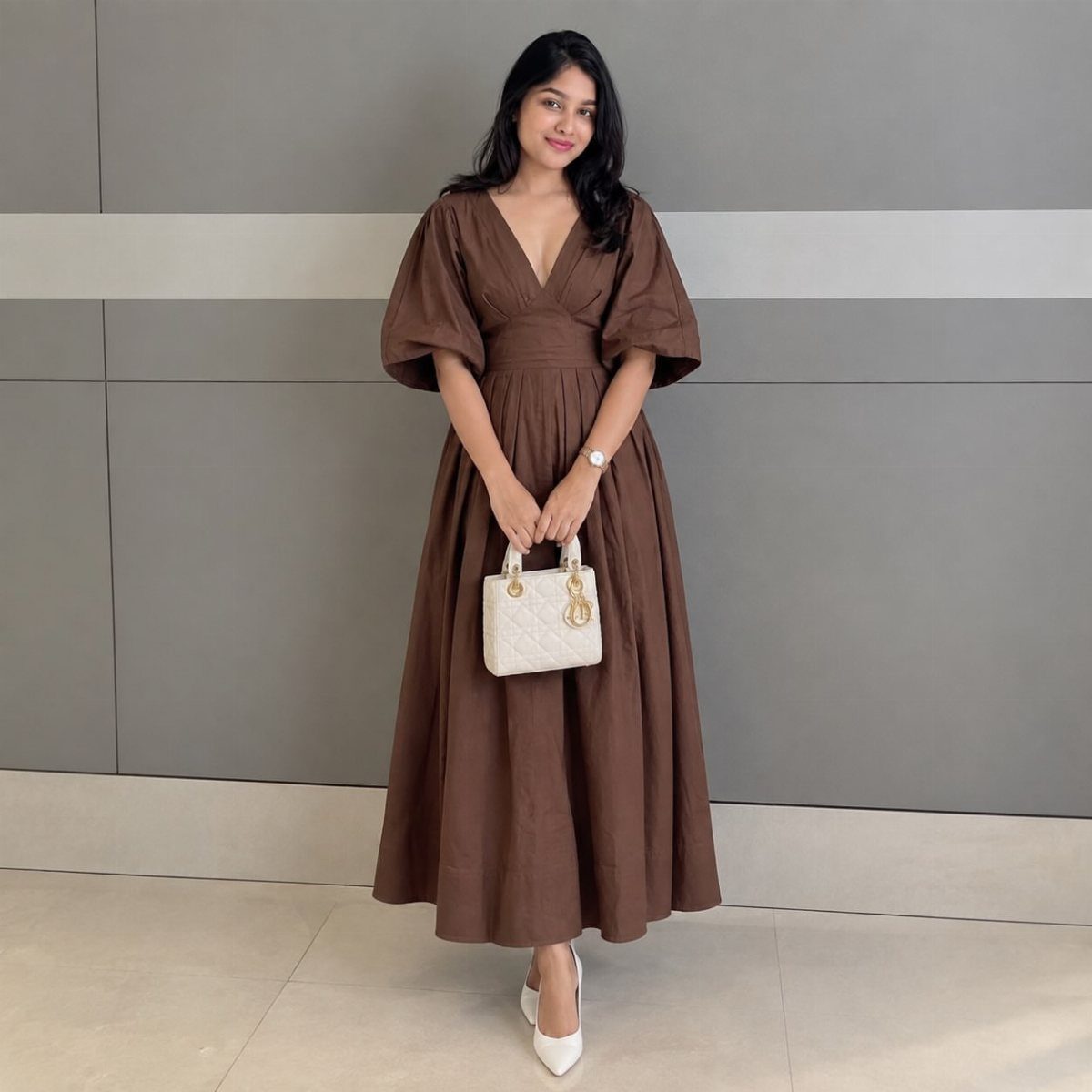
Puff sleeves and a full skirt put a lot of fabric into one outfit, so everything else should stay simple. A V-neck, like the one here, keeps the top half from feeling heavy by opening up the neckline.
Brown is an easy neutral that looks softer than black. A small white handbag adds contrast without competing.
Fullness at the hip can swallow a petite frame, so check that the hem lands where you want it. A fitted bodice helps the skirt look intentional.
5. Polka Dot Dresses
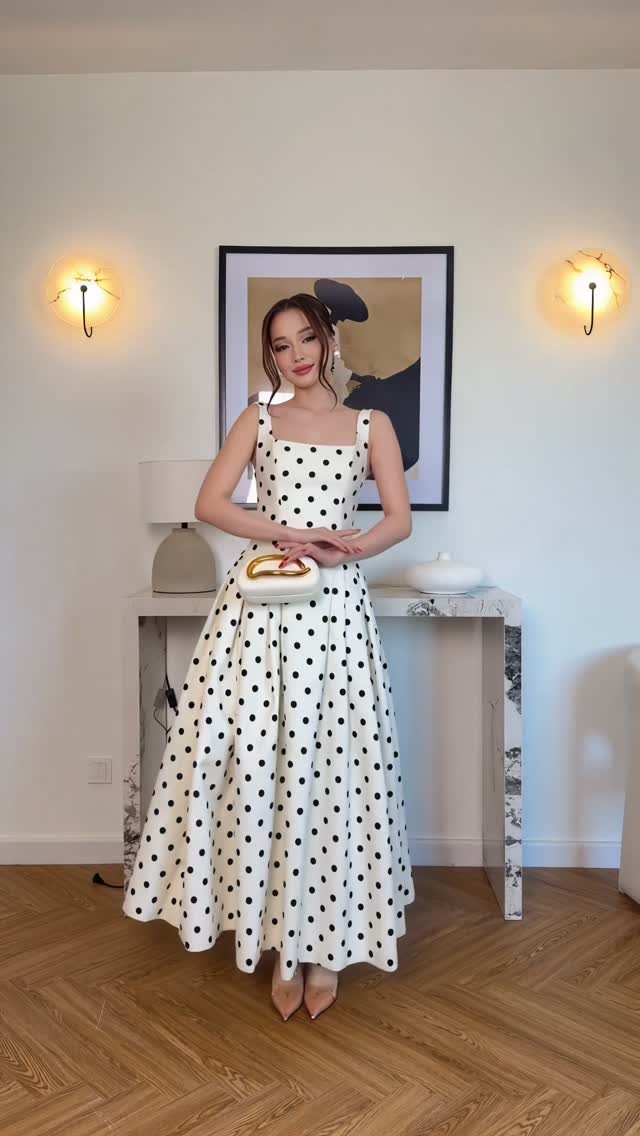
Black dots on white are about as classic as prints get, and an ankle-length cut keeps them from looking sweet or dated.
I’d keep the dots small to medium and the dress fluid, because a clean drape makes the print look current.
Heels and a white handbag finish it without adding another pattern. Keep jewelry minimal.
Because the print is already doing the talking, solid accessories are the safer choice every time.
6. Maxi Dresses
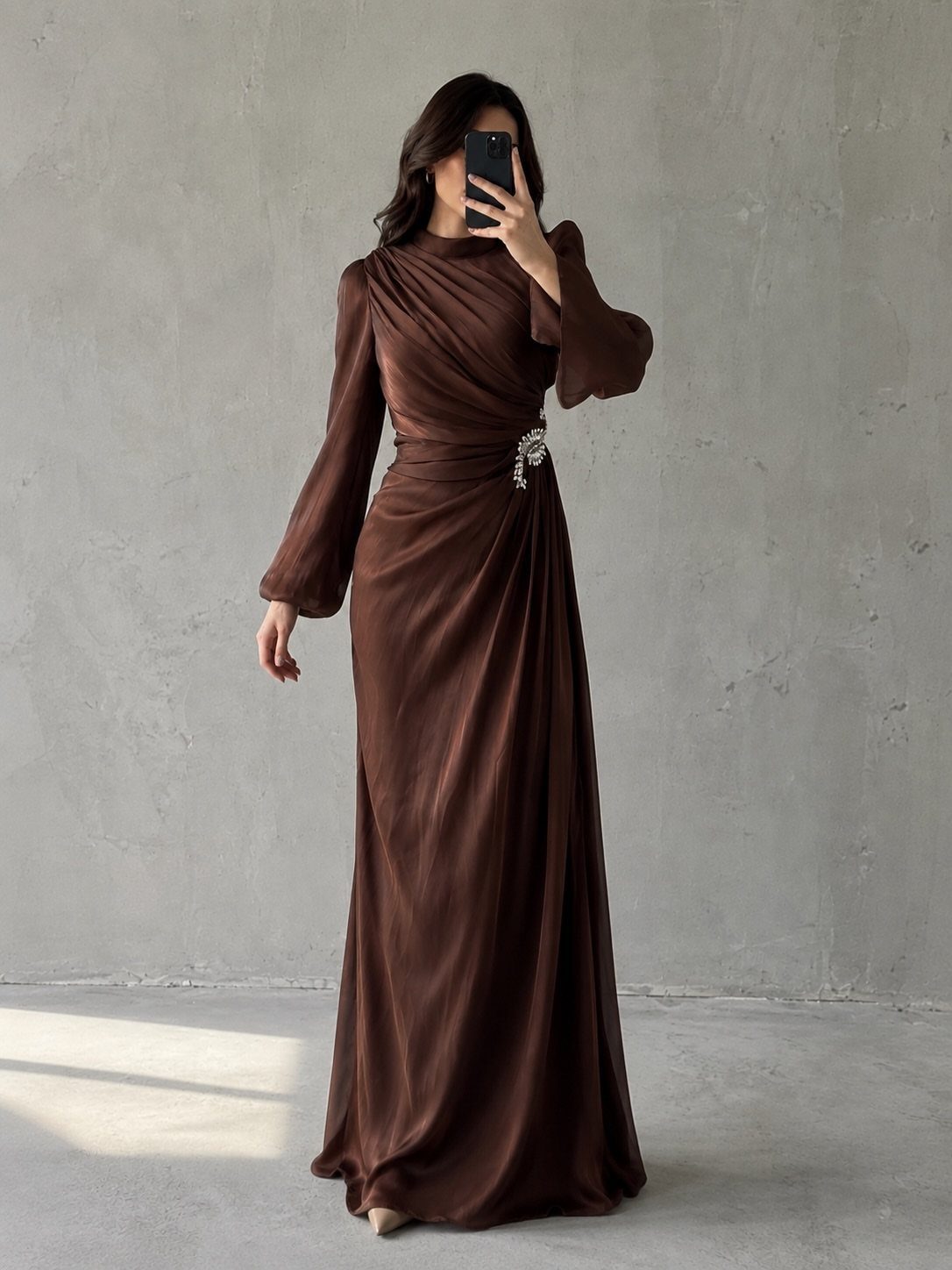
A long-sleeved satin maxi in brown is dressy and still comfortable, since the fabric skims the body instead of gripping it.
If a maxi dress has a defined waist detail, such as jeweled trim or a sewn-in sash, you can skip the belt.
Satin shows every seam and wrinkle, so I’d steam it before wearing and choose a lining if the fabric looks thin. Flat sandals or a low heel both work.
Long sleeves make it a good fit for cooler evenings, and it can go from dinner to an event with only a change of earrings.
7. Slip Dress
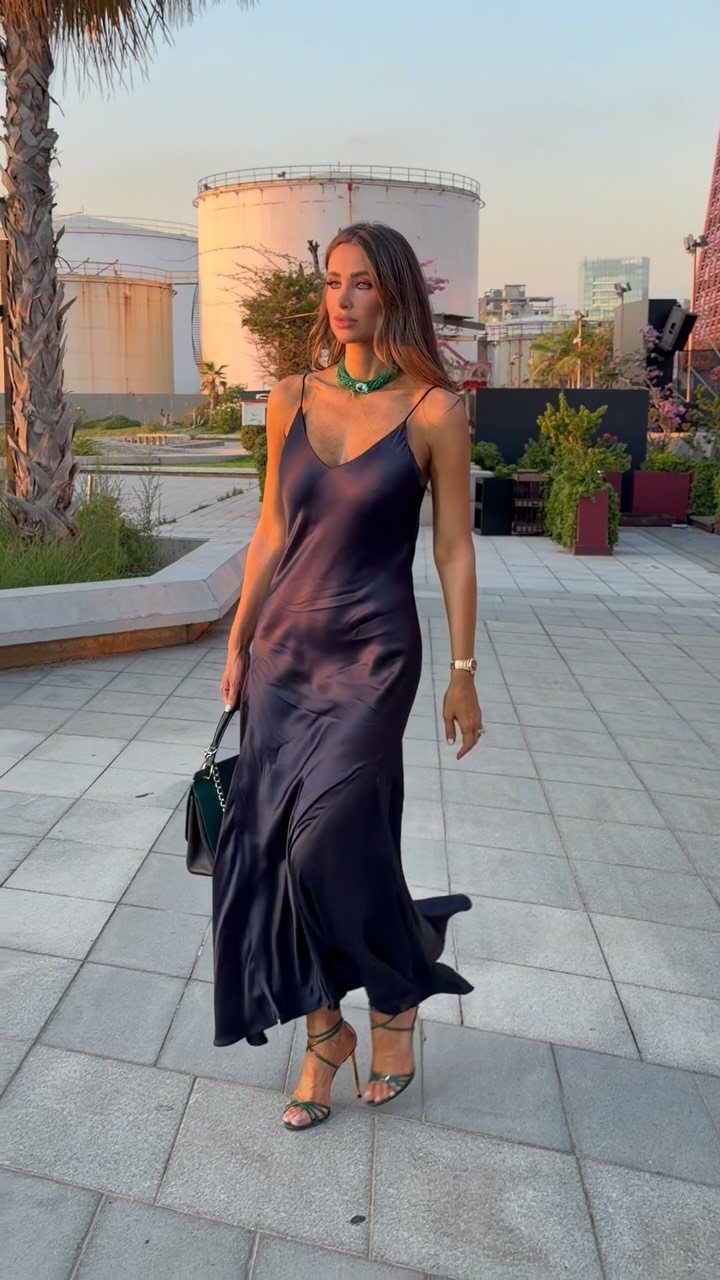
Satin cut on the bias, with thin straps and nothing else going on, is why a slip dress works so hard. The navy here already looks formal, and a long length makes it more so.
Heels and one statement necklace dress it up. For daytime, I’d put a denim jacket or knit cardigan over it and swap in flat sandals.
Satin shows every wrinkle, so steam it before you leave.
8. Gingham Dress
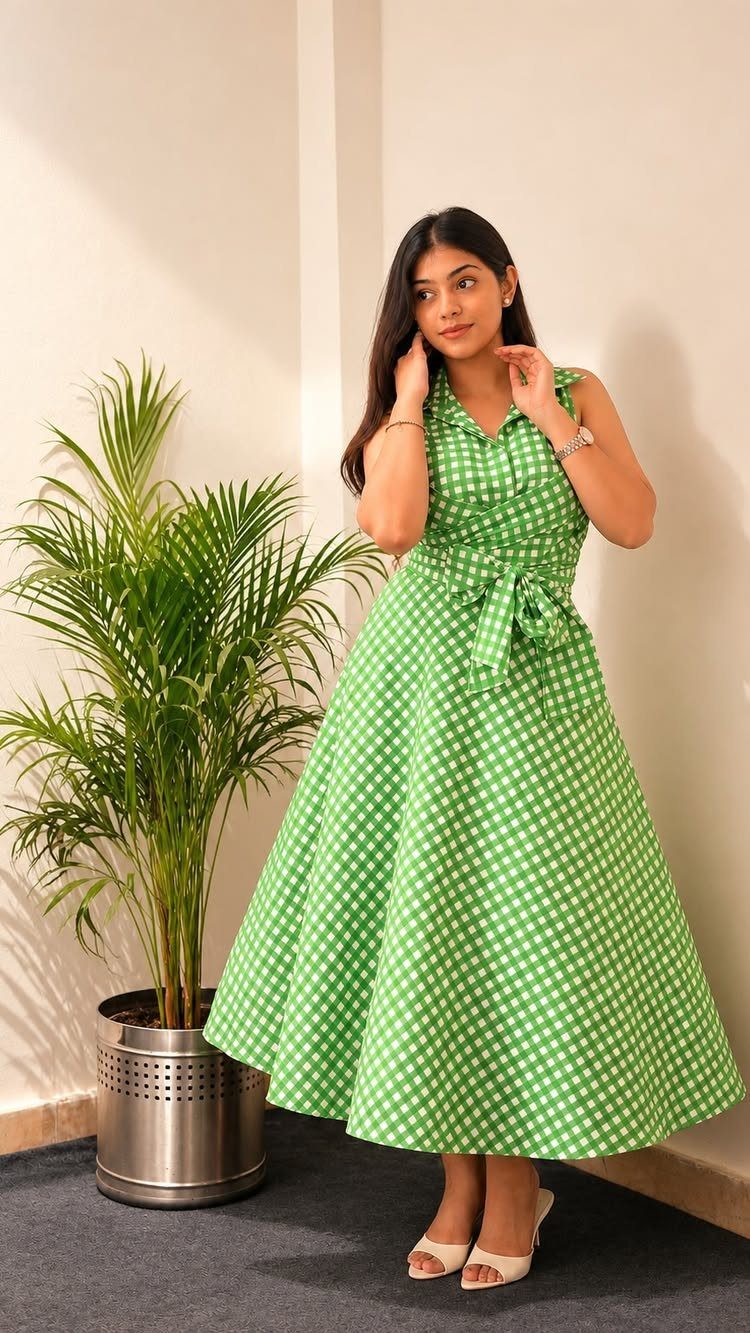
Green and white gingham feels fresher than the usual blue or red, and a waist tie lets you set the fit yourself. Cinch it for shape or leave it loose for an easier line.
A midi length is easy to wear across seasons. I’d pick flat sandals or white sneakers and skip other patterns entirely, since gingham already supplies one.
Keep the checks medium-sized if you want it to read classic, not costume-like.
9. Crochet Dress
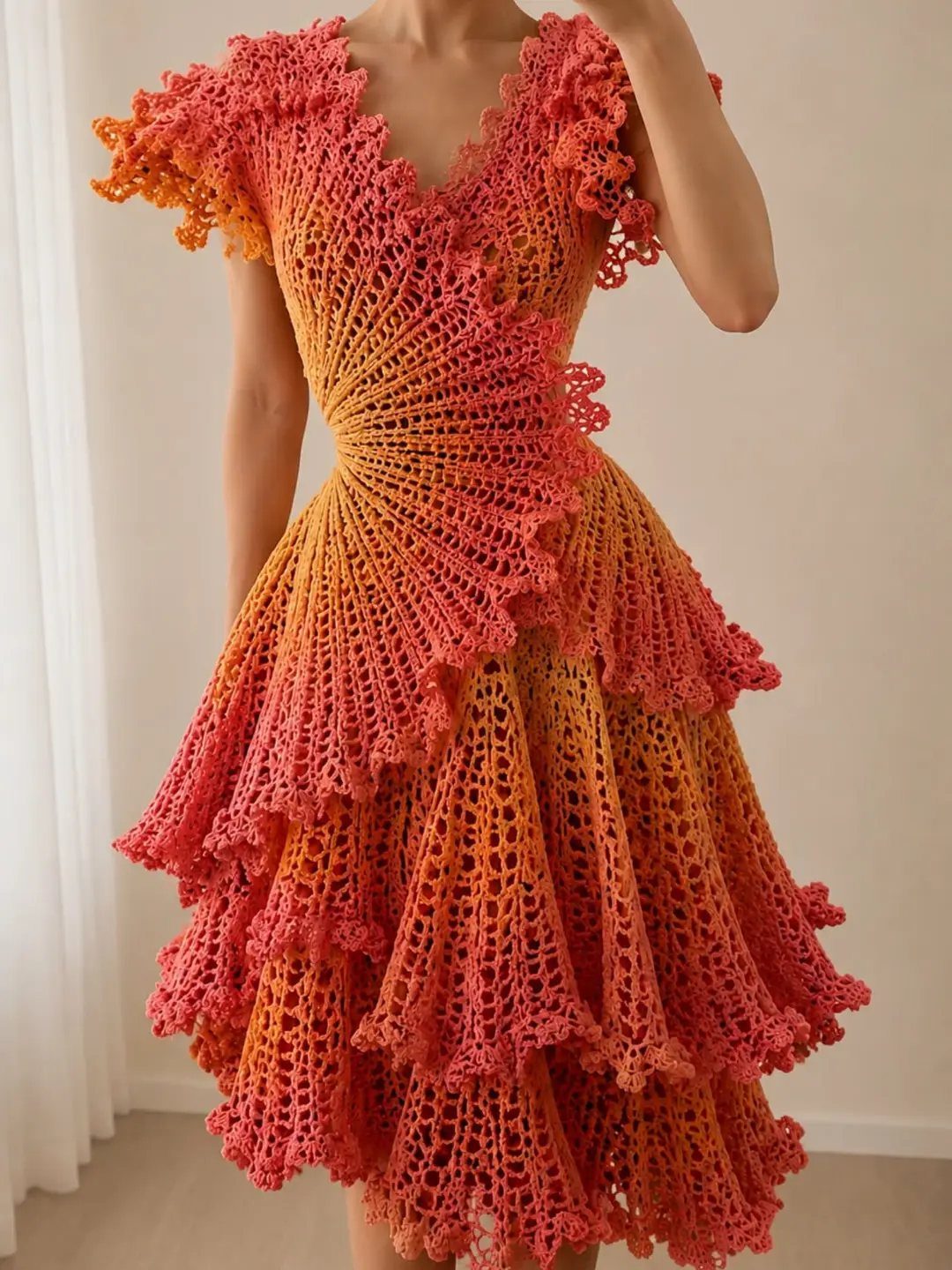
The orange and pink shades are bold enough that the dress needs no jewelry.
Wear it over a slip or a lining, since open stitching can show more than you expect. Flat sandals and a straw bag suit it well.
Crochet can snag, so I’d fold it instead of hanging it, and keep it away from rough bag zippers.
10. Draped Formal Gown
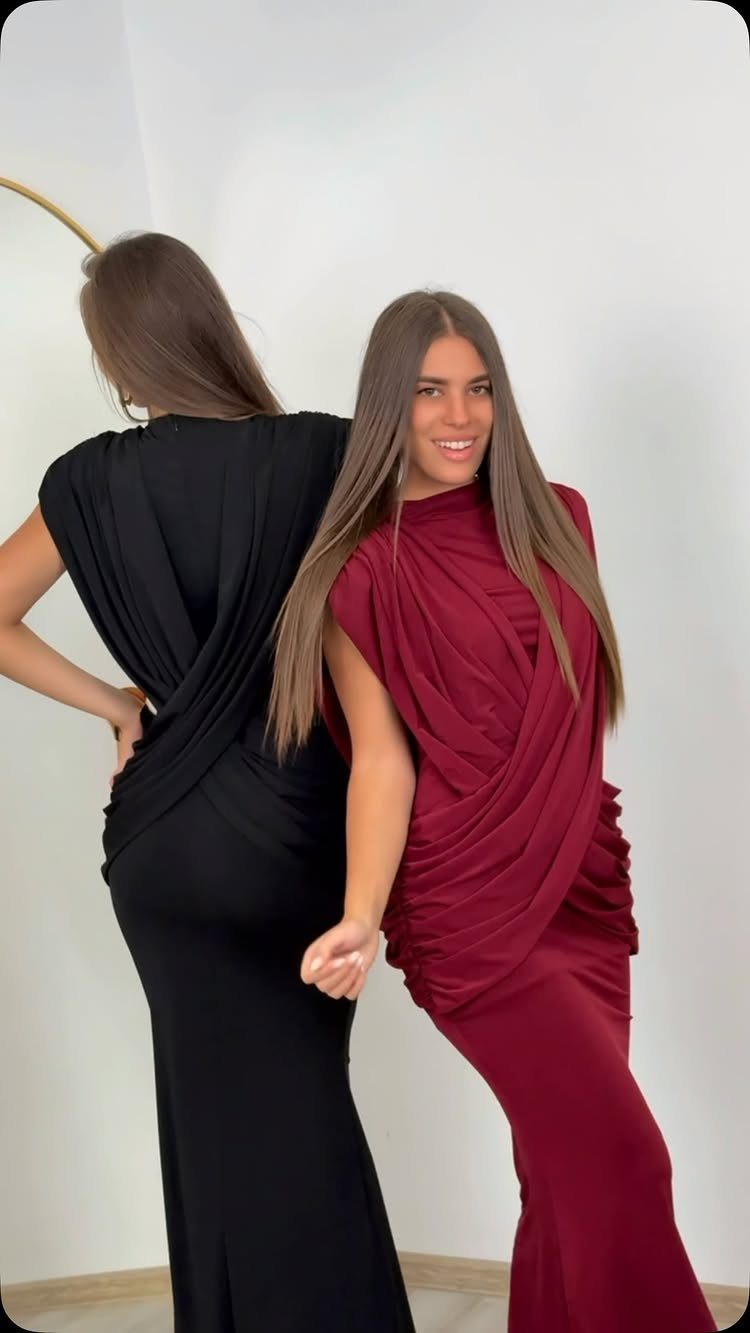
Fabric gathered across the torso does the shaping here, so a draped gown flatters without extra structure. Black is the safer pick; burgundy is richer and photographs warmly.
Because the drape already adds detail, I’d skip a busy necklace and choose small earrings and a simple clutch. Check the fit through the ribs and waist, since a form-fitting cut shows every pull.
A floor-length hem means you should try your heels on when you try the gown.
11. Strapless Midi with Cut-Outs
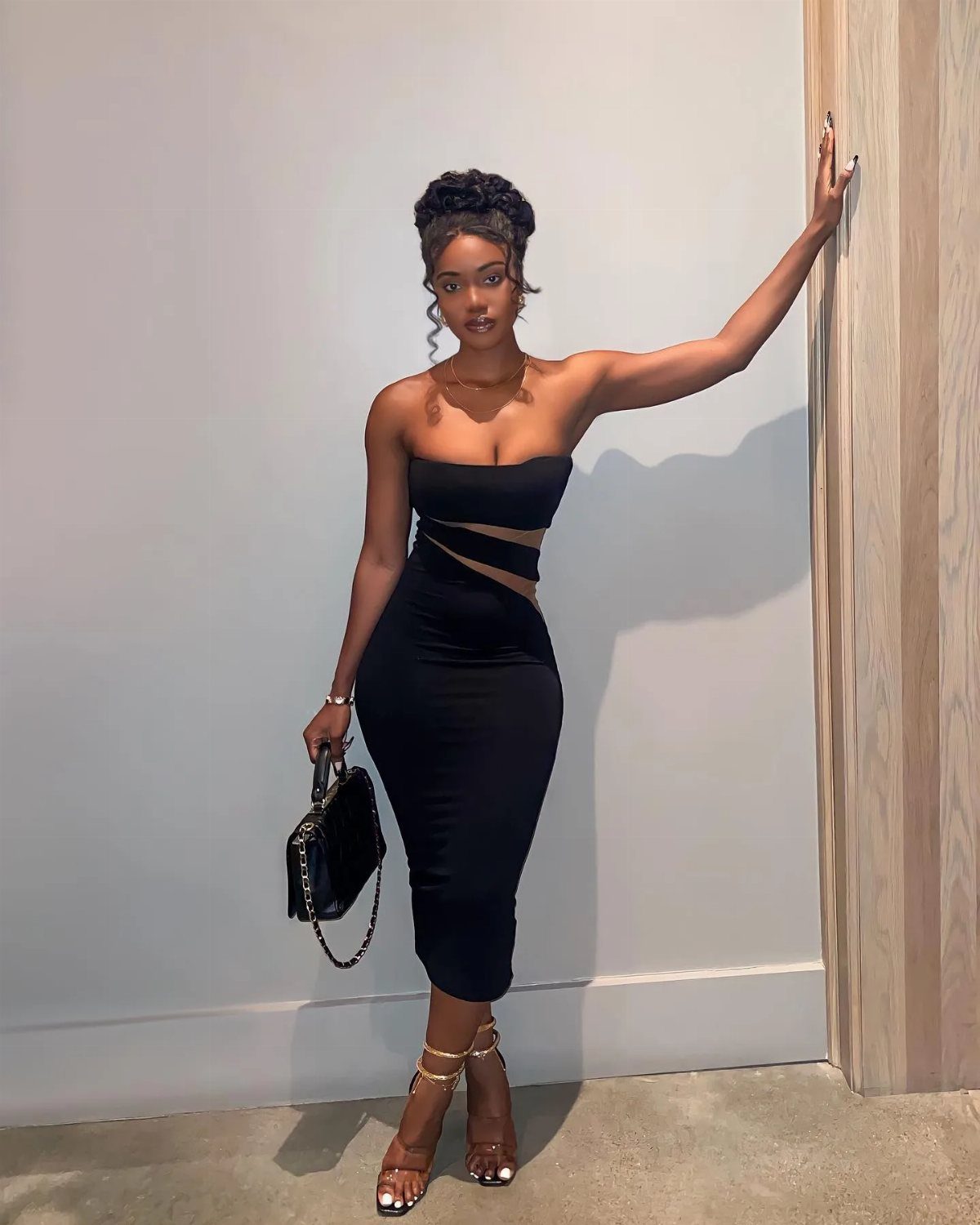
A strapless neckline with sheer side panels gives a black midi dress shape without any fuss. The cut-outs do the detailing, so the rest can stay plain.
Gold strappy heels add a warm accent against the black. I’d keep jewelry to earrings and a small clutch.
Strapless dresses slip if the bodice is loose, so check that it holds when you sit and raise your arms. Sheer panels also call for the right undergarments.
12. High-Slit Sleeveless Midi Dress
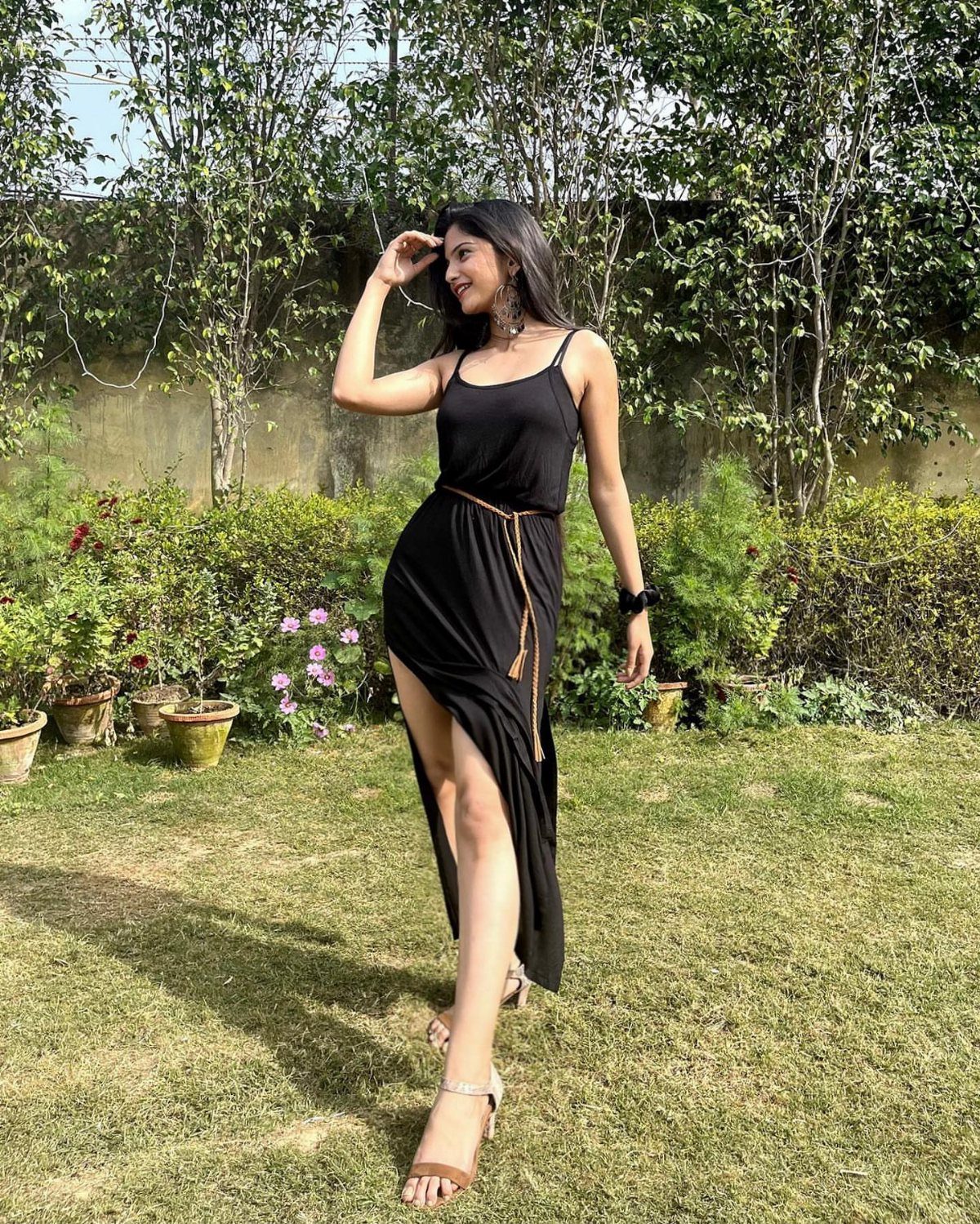
A high side slit gives a plain black sleeveless midi movement, and a thin cord belt marks the waist without bulk. It is a dress I’d happily wear to a garden lunch.
Flat sandals keep it relaxed; heels make it an evening option. Brown tones in the belt soften the black.
Test the slit by walking and sitting before you commit. A slit that rides too high is hard to wear, and the belt can shift it, so fasten it snugly.
Versatility in Dress Styles
Changing the shoes, the bag and one layer is usually enough to shift it from a professional day to a casual outing.
Before buying, run a quick test: can you picture the dress at the office and at a weekend lunch? If it only works in one setting, it needs to earn its place some other way.
Neutral colors and a clean silhouette make that range easier. A hem near the knee and sleeves that cover the shoulders are the most adaptable choices for professional rooms.
The throughline for 2026 is ease. But this season’s pared-back approach to occasion-dressing feels more adaptable, built on shapes that invite experimentation and can be styled a hundred ways.
Focus on Quality
Buying fewer dresses that last is a better plan than filling a cart with cheap ones. A well-made dress gets worn often enough to cost less per wear.
Check the seams first: they should lie flat, with no puckering or loose threads.
Turn the dress inside out and look at the hem and any zipper. Then read the fabric label, since natural fibers and heavier weaves tend to hold their shape better than thin synthetics.
Try the dress sitting, reaching and walking. If you would only wear it a few times, I’d pass, however good the price.
Layering Options
A dress becomes a different outfit once you add a layer. A jacket or sweater over it extends the wearing season and gives you options when the weather shifts during the day.
Match the layer to the dress’s length. A cropped jacket or short cardigan keeps the proportions balanced on a midi or maxi, while a longer knit suits shorter hems.
Keep the layer’s color within the dress’s palette, or choose a neutral. Make sure the sleeves of the dress don’t bunch under the outer layer, because bulk at the arm is the most common problem.
Frequently Asked Questions
What dresses are in fashion now?
Drop-waist dresses and maxi dresses are both getting attention for 2026. The drop-waist has a waistline at the hip and a loose line, and its 1920s shape is being revived in light fabrics like linen and voile.
Maxis are in style across every season, with hemlines running longer than they did a year ago.
What are women wearing in 2026?
Women are choosing dresses that work for more than one occasion: shirt dresses, slip dresses, maxis and drop-waists.
Add sneakers to a shirt dress for a Saturday errand run, then switch to loafers or a low heel and the same dress works at a desk.
What are the different types of dresses for women?
Common types include drop-waist, shirt, fringe, polka dot, maxi, slip, gingham, crochet, draped gowns and strapless midis.
Each has its own strength. A slip dress is bias-cut satin with thin straps.
A maxi skims the body in a long length. Volume dresses pair a full skirt with puff sleeves.
How to dress in your 40s in 2026?
Buy fewer, better dresses in a clean silhouette and neutral colors. For work, a knee-length hem paired with sleeves that cover the shoulders gives me the most flexibility across offices.
Look closely at the seams to be sure they sit flat, choose a denser weave or a natural fiber, and before buying, sit, reach and walk in the dress.