Where you’ll be standing, and for how long, decides which of these heels is yours, more than color or trend ever will.
The list runs from the wedge that spreads your weight across the whole sole to the stiletto that stretches the line from knee to toe, and the gap in comfort between them is wide.
For a full day on your feet, 1–2 inches is the range I’d start with, and a block heel or wedge at that height feels steadier than a thin one.
1. The Slingback Heel
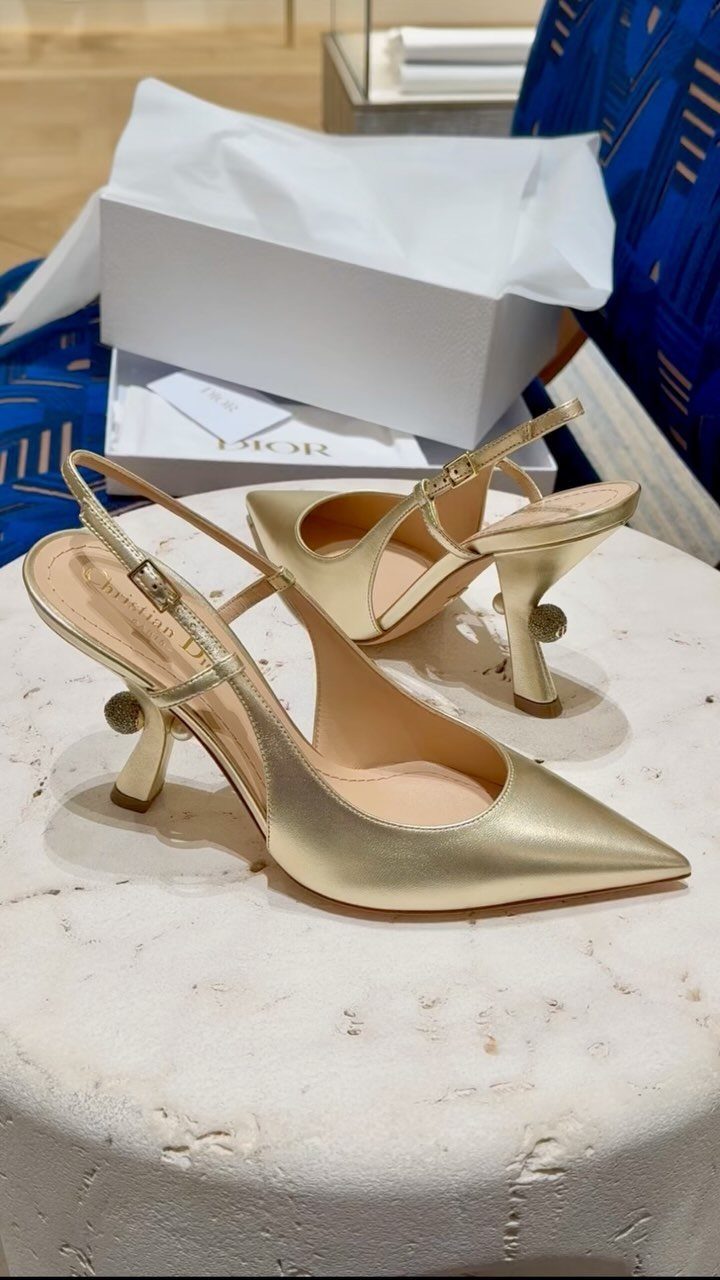
A slingback leaves the heel open and holds the foot with a thin strap behind it, which keeps the shoe light even when the toe is pointed and formal.
Gold reads as a neutral with warm tones, and it can stand in for a metallic belt or earrings. Choose one metal and repeat it once.
2. The Mule Heel
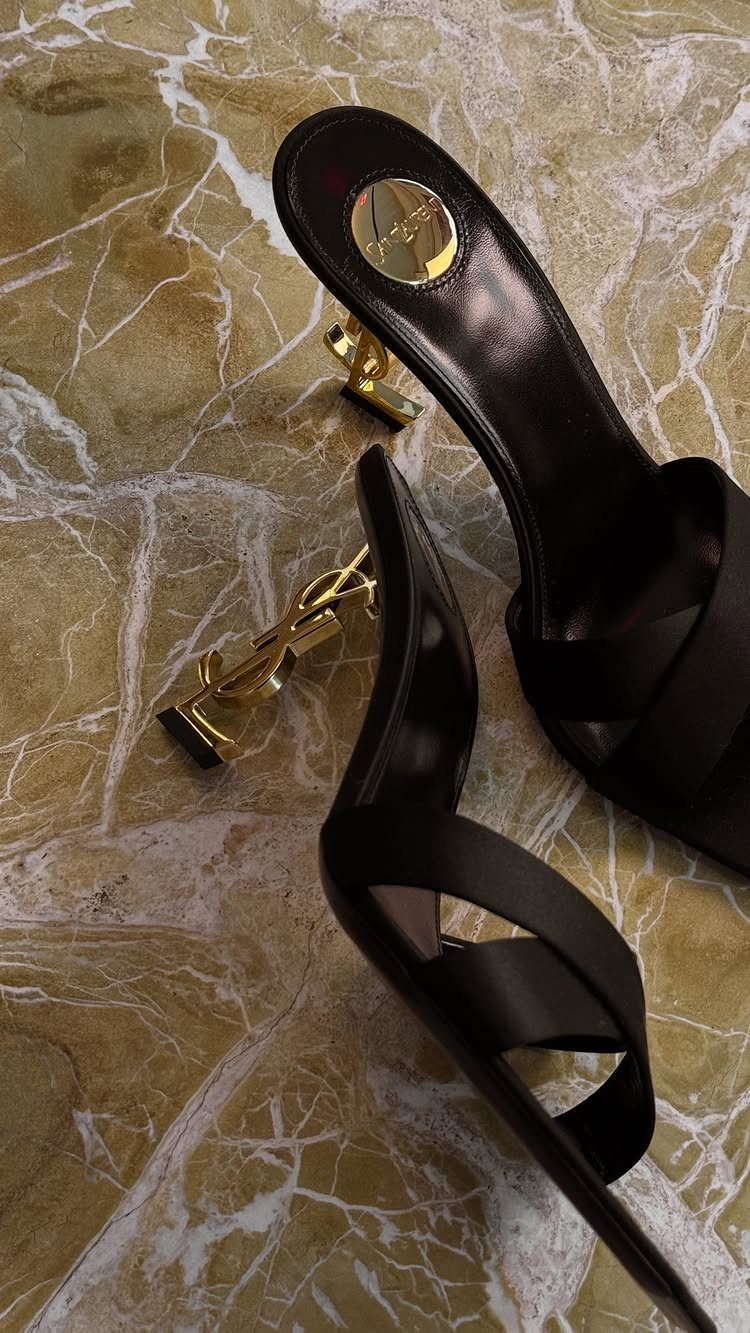
Mules have no back, so you step in and go. That makes them my pick for errands, dinners close to home, and mornings when buckling a strap feels like too much.
The black satin with a gold logo heel gives the shoe its detail, so a slim pant or a slip skirt is enough.
The trade-off: with no strap behind the heel, your foot has to grip the shoe a little with every step.
3. The Sandal Heel
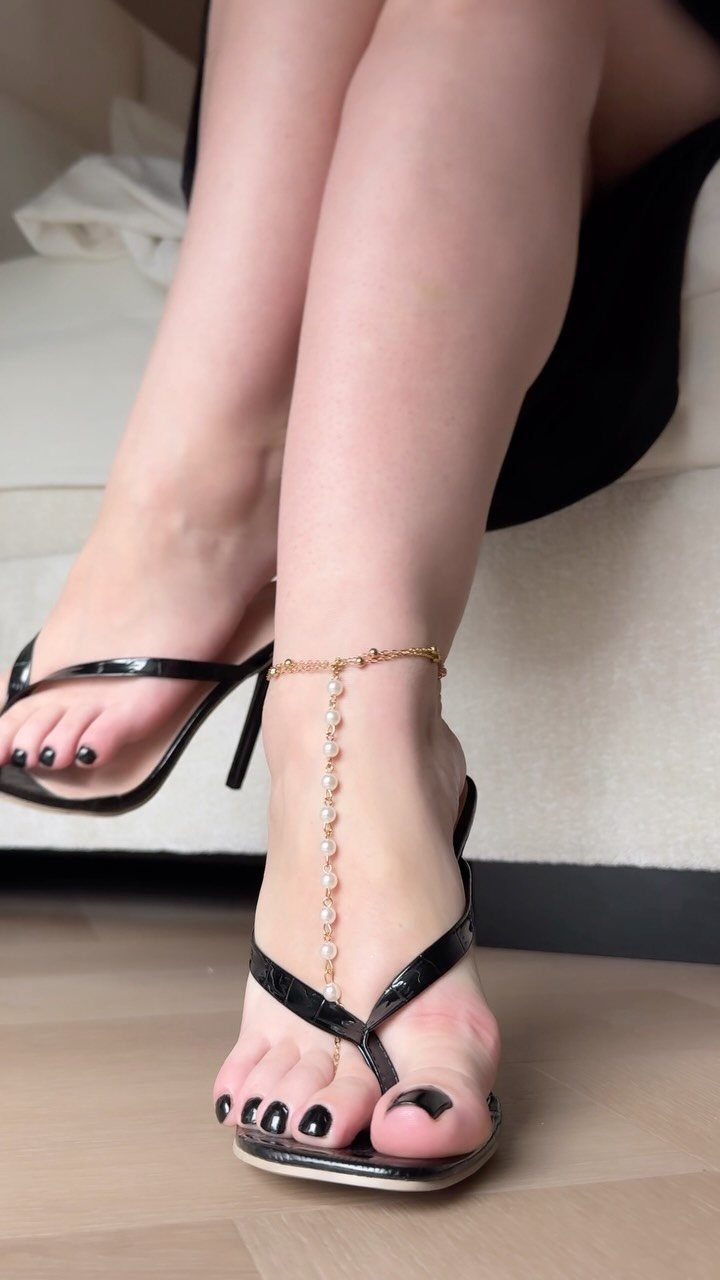
Straps and an open toe give the sandal heel its range. Black patent leather with a pearl ankle chain suits a minimalist who wants one small detail, and the same shoe sits happily beside bold jewelry if you lean maximalist.
I would wear it with a clean hem, like a midi skirt or cropped trousers, so the ankle chain stays visible. Skip long, wide hems that cover it.
4. The Wedge Heel
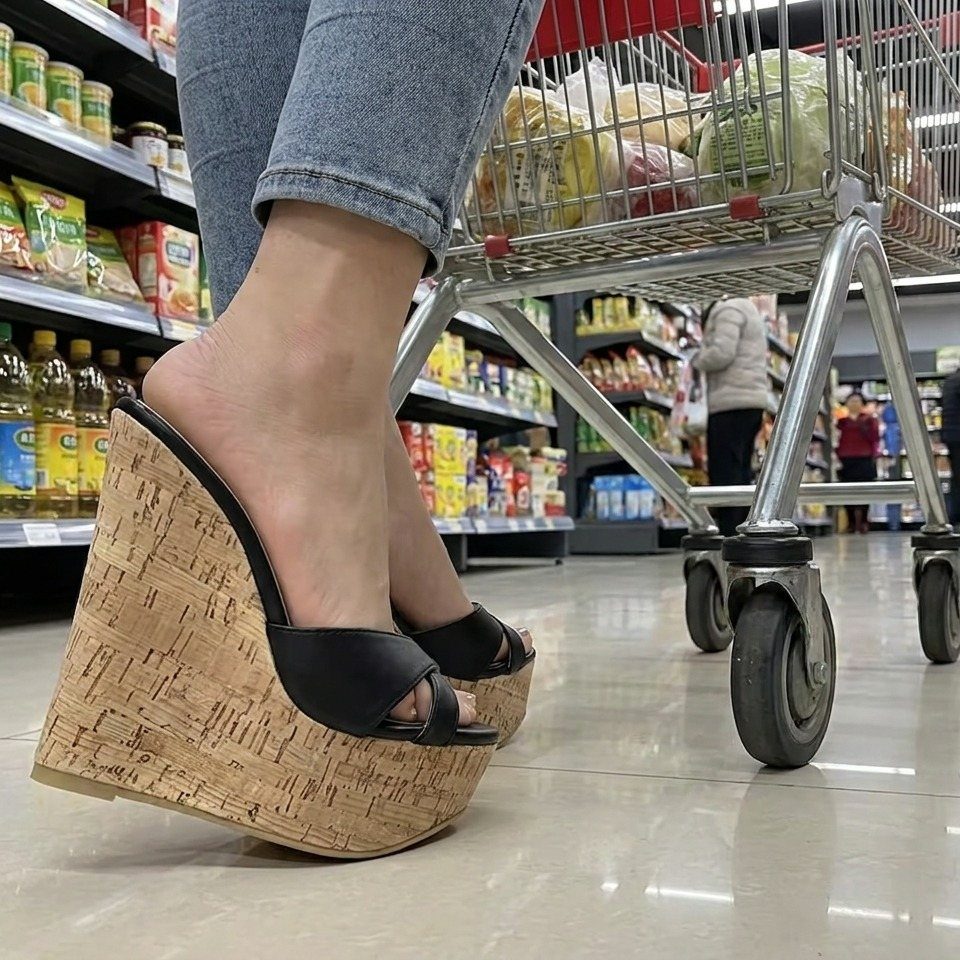
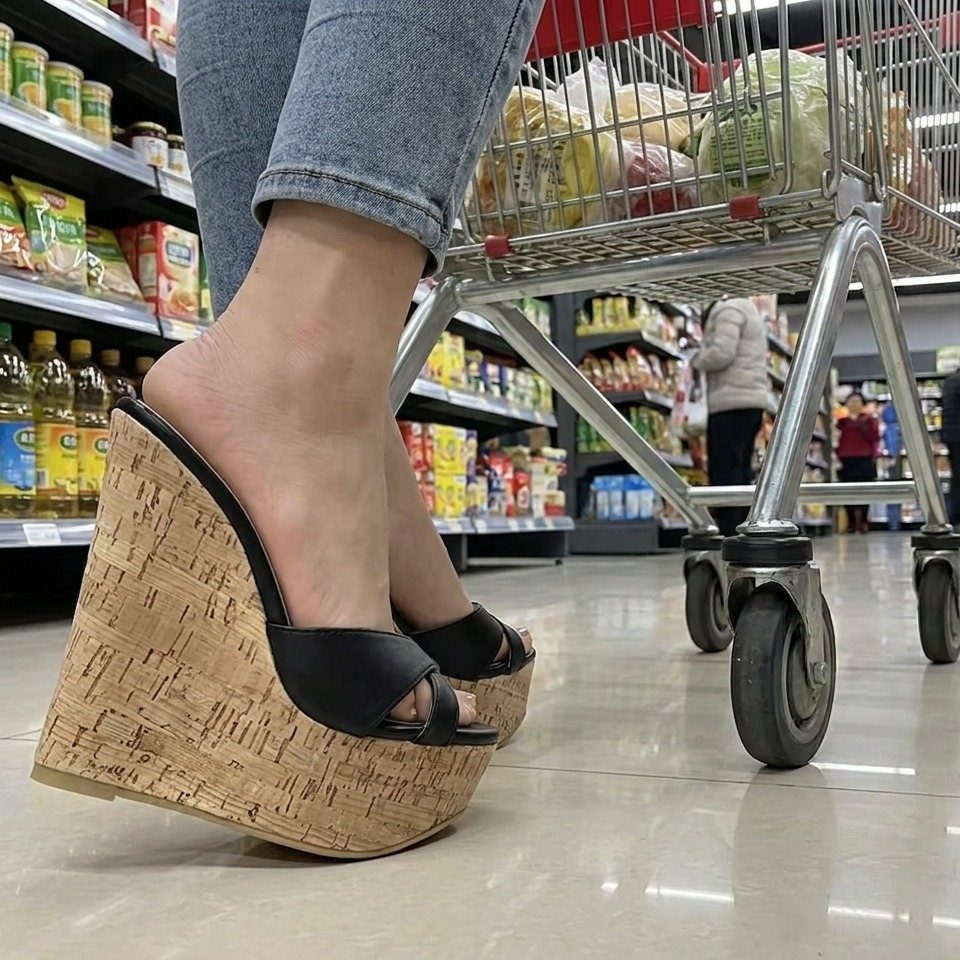
Wedges spread your weight across the whole sole instead of a single point, which is why the black cork pair here can handle a grocery run in jeans.
For day-to-day wear, I would choose this over a thin heel every time.
Cropped or ankle-length jeans show the shape best. The cost is a chunkier look than a stiletto gives, so a long hem can make the shoe look heavy.
5. Stilettos
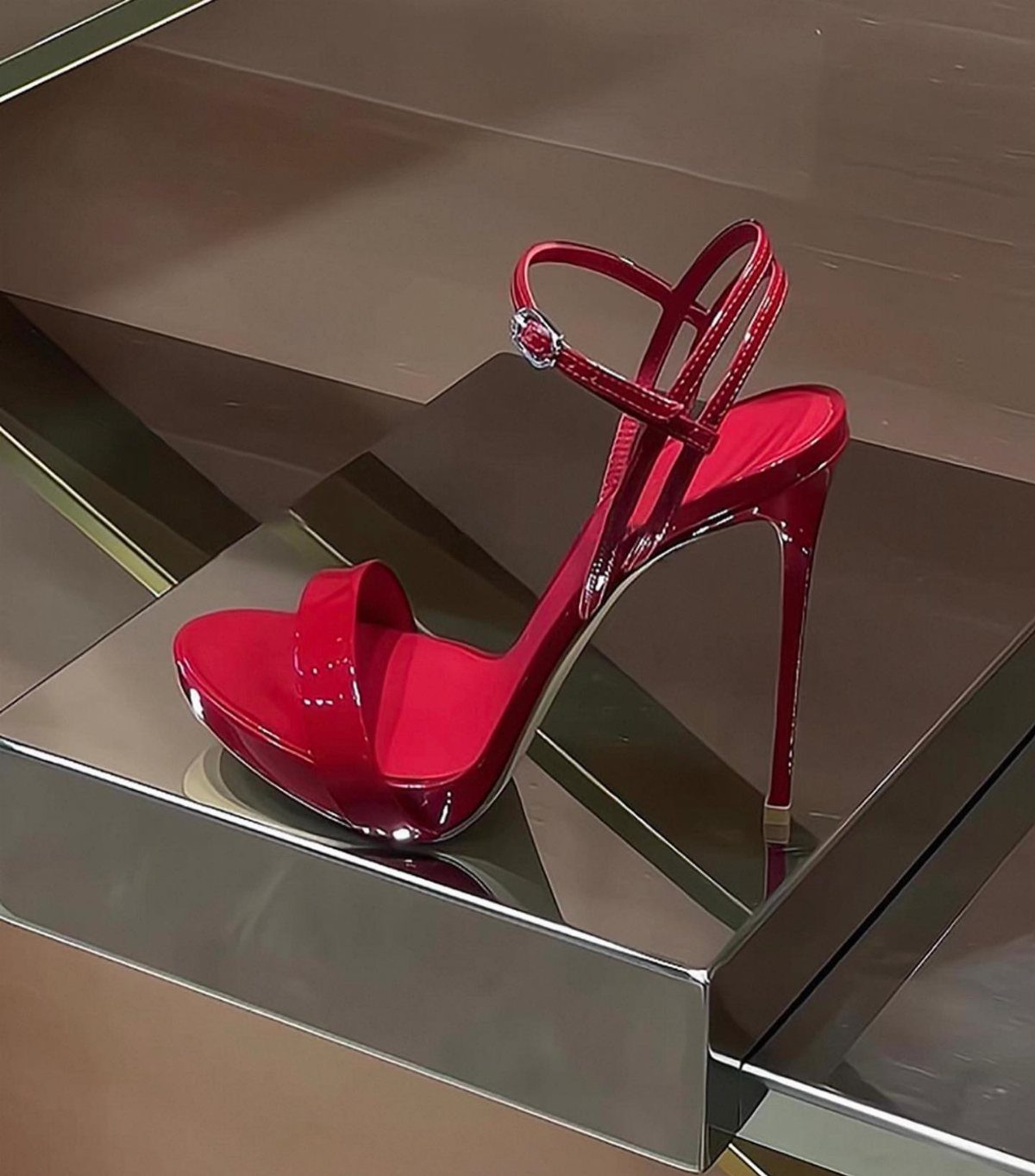
Thin, tall, and narrow: the stiletto stretches the line from knee to toe more than any other heel. A red patent sandal with an ankle strap, like this one, is the whole outfit’s focal point, so keep the clothes simple.
Black tailoring or a plain white dress lets the color work. Stilettos are for dinners and events rather than long walks, and I would take a flatter pair for the commute.
6. The Pointed-Toe Heel
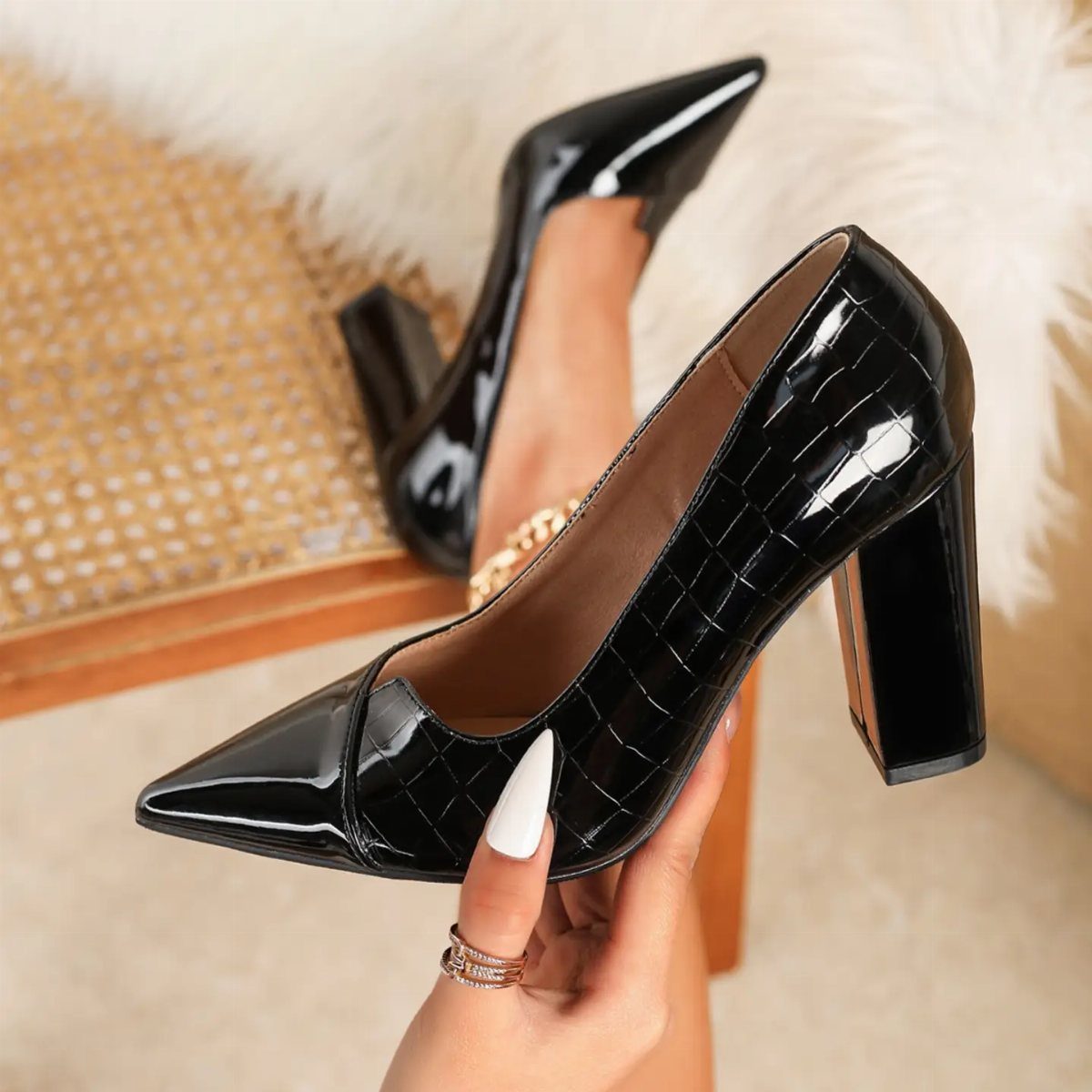
A pointed toe lengthens the foot and sharpens the outline, and pairing it with a thick block heel adds steadiness that a stiletto lacks. The black croc-embossed pair here looks polished with trousers, pencil skirts, and dresses alike.
Black is the safest color for a closet built on fewer, better pieces. For more length through the leg, choose a toe that tapers to a true point, with trouser hems that skim the top of the shoe.
7. The Boot Heel
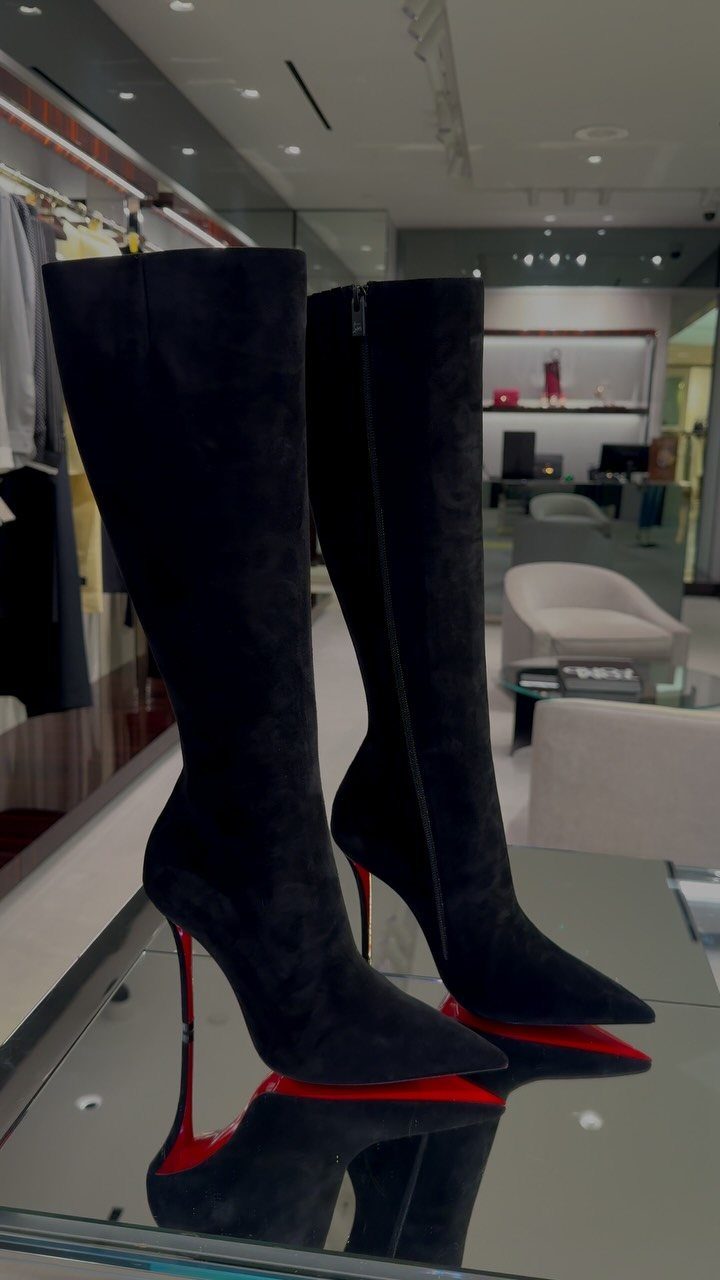
Knee-high black suede with a stiletto heel covers your leg from shoe to knee, so the boot does the work of a hosiery layer and a statement shoe at once.
The red sole flashes only when you walk, which I like better than a loud color on top.
Wear them under a slip skirt, a knit dress, or slim black trousers tucked in. Suede asks for dry days, and a stiletto on a boot means I save these for evenings, not long walks.
8. The Loafer Heel
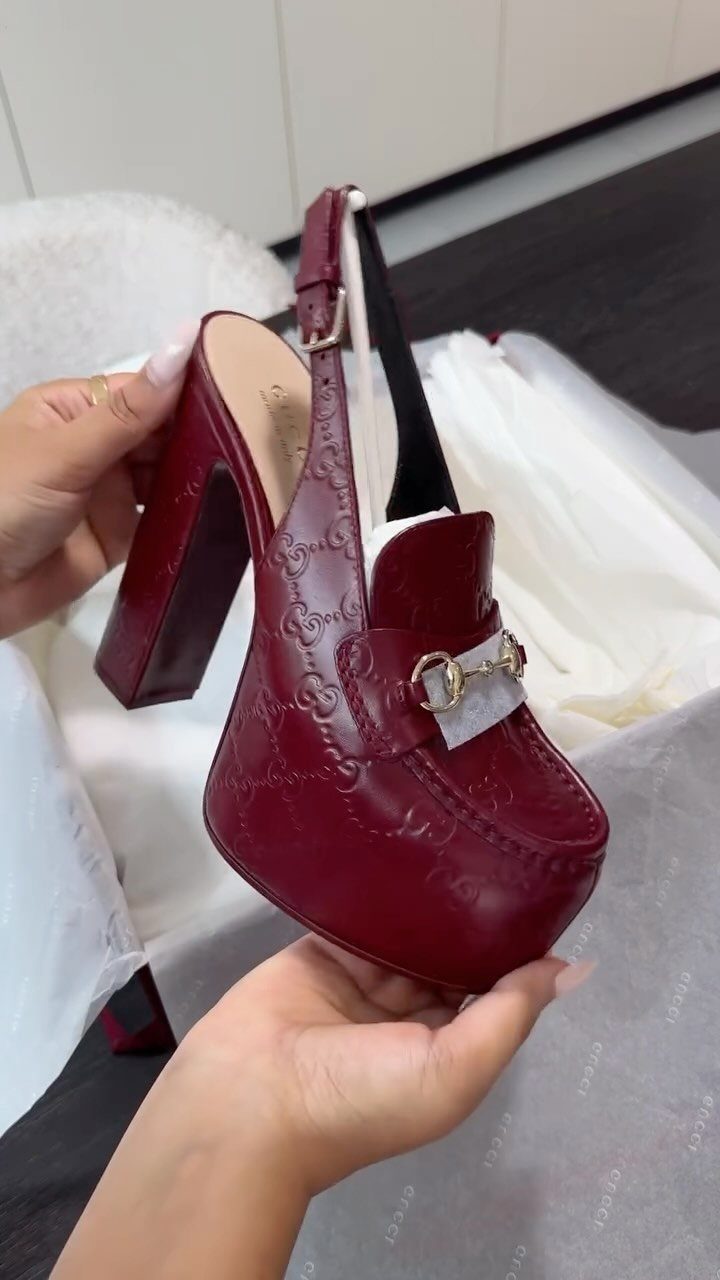
A loafer with a block heel keeps the polish of office shoes and adds height without the strain of a stiletto.
Try it with cream trousers, a navy blazer, or a straight gray skirt. Red is bolder than black or brown, so it earns its place in a small closet only if you have a neutral palette around it.
9. Platforms
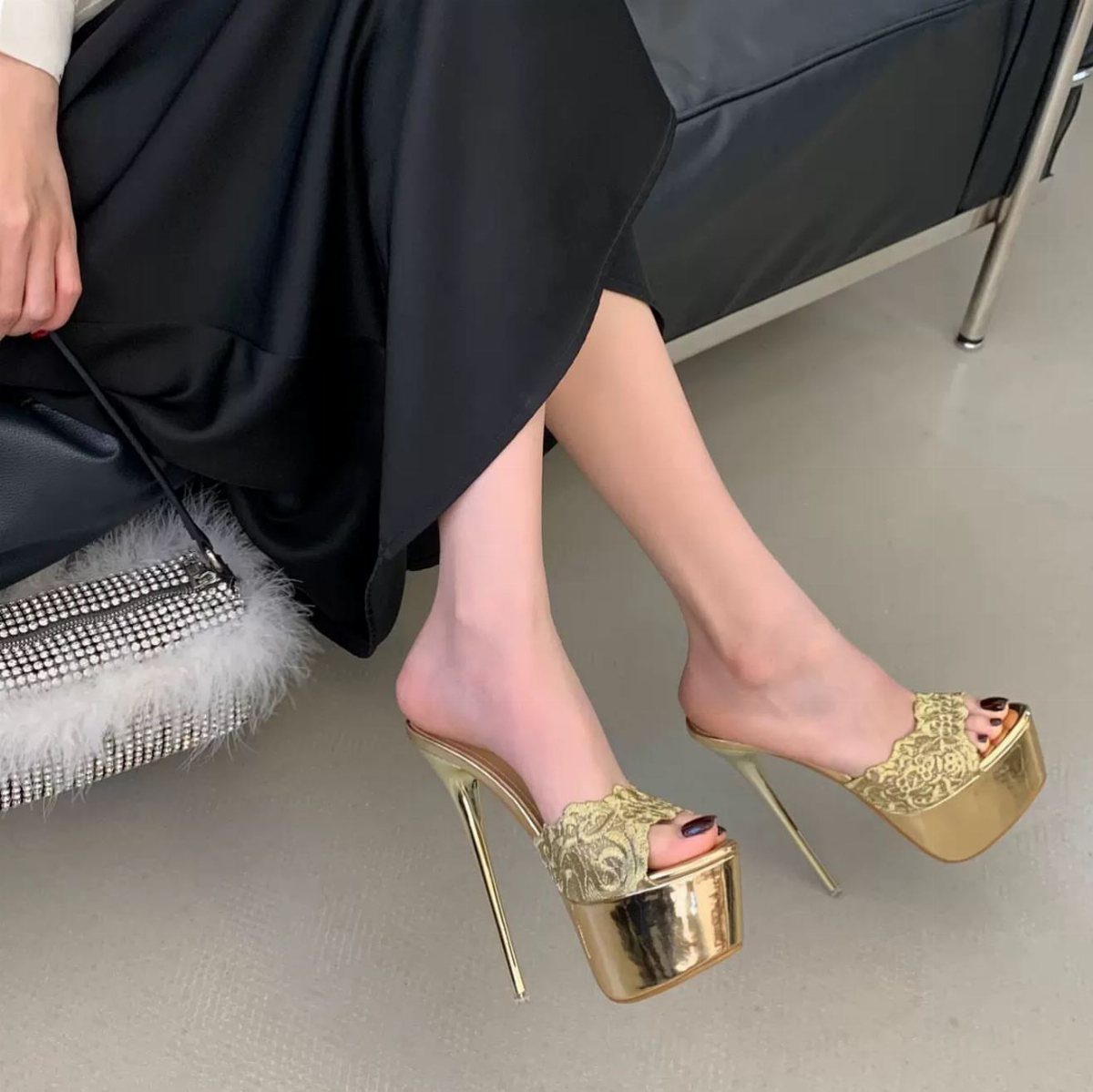
Because a platform lifts the ball of the foot too, the angle your foot sits at is gentler than the heel height alone would make you expect.
That is why I reach for them when I want to be tall but still want to stand through dinner.
Keep the hem simple so the shoes get the attention. The sole is thicker than a standard heel, so the shape reads heavier up close.
How to Style High Heels
Heel shape should be settled by where you’re going, and only then by color or whatever is trending.
At the office, a mid-height pump, a Mary Jane, or a block heel reads as put together without trying too hard, and each one suits tailored trousers, a midi skirt, or a plain sheath dress.
Evenings and parties call for something sharper: a pointed-toe pump, a slingback, or a dressy heeled sandal.
Weddings call for strappy heels, slingbacks, or dressy sandals, and the venue and dress code should decide which one.
On casual days, I reach for block-heeled sandals, wedges, or low mules, since they add a little lift without looking formal. Denim, wide-leg trousers, and loose, easy dresses all look right with them.
Whether you’re reaching for a sky-high platform à la D’Accori’s trendy towering sandals or going the pared-back route in Gucci’s timeless slingback kittens, high heels have the ability to elevate any outfit.
— Vogue
Comfort and Fit Considerations
Cushioning, a secure fit, and a stable shape matter as much as the heel number. A shoe that grips your heel and holds your arch will feel better at hour four than a prettier one that slides.
Start by asking what the shoes are for: daily wear, the office, or a single event. That answer narrows the choices fast.
Material changes how long a pair lasts. Leather and suede hold up to regular wear, while delicate fabrics suit occasional evenings.
A wide block heel or a wedge spreads your weight over more surface, so it nearly always feels better than a tall, thin stiletto.
Neutral colors like black or beige also work with more of your closet, which helps if you are buying fewer pairs.
Choosing the Right Heel Height
Pick the height by asking where you will be and how long you will be standing. Taller heels look more dramatic, but they are not the ones you want for a full day.
For a full day on your feet, 1–2 inches is the range I’d start with, since it’s the easiest to wear for hours.
If you want more lift, a block heel or wedge at that height feels steadier than a thin one.
Pick a height you can walk in with a steady stride and no pain by the end of the night. If you only wear the shoes for the first hour of an event, they are too tall for it.
Frequently Asked Questions
What are the best designer heels for everyday wear?
Low-heeled styles are the easiest to live in, and a block heel is a strong place to start. A wide, steady base spreads your weight and helps with balance, so it handles the office, brunch, and dinner alike.
For a full day on your feet, I’d stay at 1–2 inches, and I’d pick black or beige so the pair works with more of your closet.
Are designer heels more comfortable than regular heels?
Sometimes, though the price tag is not what decides it. Better construction and padding can keep a designer pair comfortable through a long evening, but fit, cushioning, and heel shape count for just as much.
How do I maintain designer heels?
Clean them regularly with a product made for the material, and store them somewhere safe from rough surfaces. Suede needs dry days, so keep that pair out of the rain and save it for clear weather.